What you can do
Long Distance Sponsorship

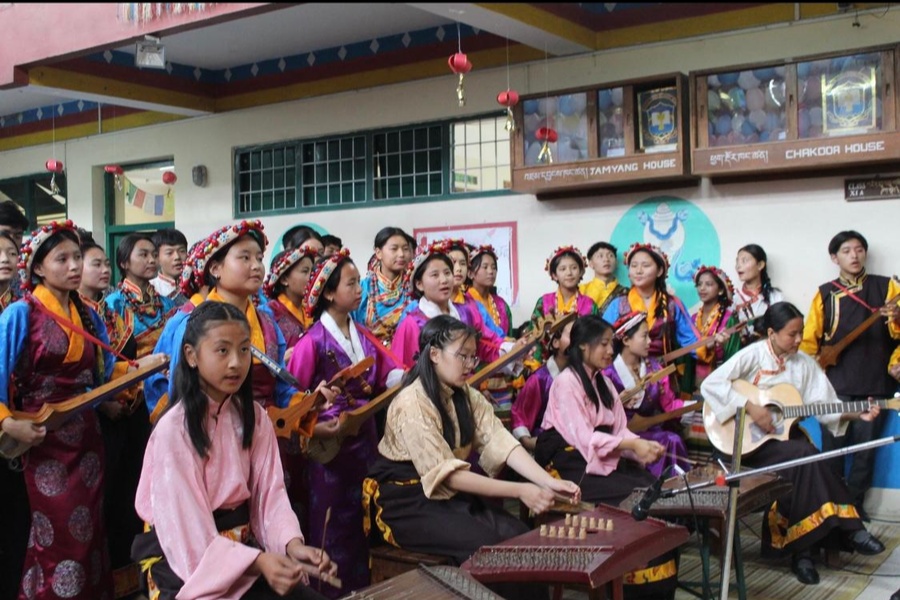
ASIA's Long Distance Sponsorship projects aim to protect the culture and traditional heritage of Himalayan peoples. By ensuring the education of younger generations and the transmission of spiritual and cultural heritage within monasteries and through elderly people, this support helps foster the development of Himalayan communities in India, Nepal, and Bhutan. For ASIA, sponsorship is not only long-term financial help, but also a commitment made by the donor toward the beneficiary, to be approached with awareness and openness, and with a willingness to learn about a different culture and way of life. Unlike a general donation to a project, sponsorship involves a direct and personal relationship with the people supported by the project itself.
What you will receive?
Each project is managed locally by the sponsorship coordinators of ASIA's offices (in Kathmandu for Nepal, in Thimphu for Bhutan, or from Italy where there is no local office), who work in close coordination with the institutions' contacts or sponsorship secretaries, who personally know the beneficiaries: school principals or teachers, abbots or monastery heads, and specialized staff in elderly care homes. The ongoing exchange of information between ASIA and these contacts ensures regular monitoring of how donations are used and helps gather updates for sponsors as accurately as possible. Photos and/or letters from beneficiaries (and in the case of children, school reports or updates) are usually sent to each sponsor twice a year, by post or email. However, the frequency and quality of these updates depend on the technological resources available to the contacts, the geographical location of the institution, and the efficiency of postal services. These factors affect not only timing, but also how correspondence is received: quickly and directly between sponsor and institution where possible, or more slowly and mediated by ASIA's offices in the case of more remote institutions.
In summary:
- Welcome kit: the information sheet with the photo of the child, monk or elder and information about the school they attend, the monastery or care home where they live
- Annual updates: information about activities carried out at the school, monastery or care home, with photos and a letter from the supported person
- ASIA newsletter
- Summary of donations for tax purposes
- Access to your personal area
Additional Ways to Connect:
- Start a correspondence with the supported person
- Send them an extra gift for their birthday
- Visit them, arranging the visit with our operators
What contribution is required and how is it used?
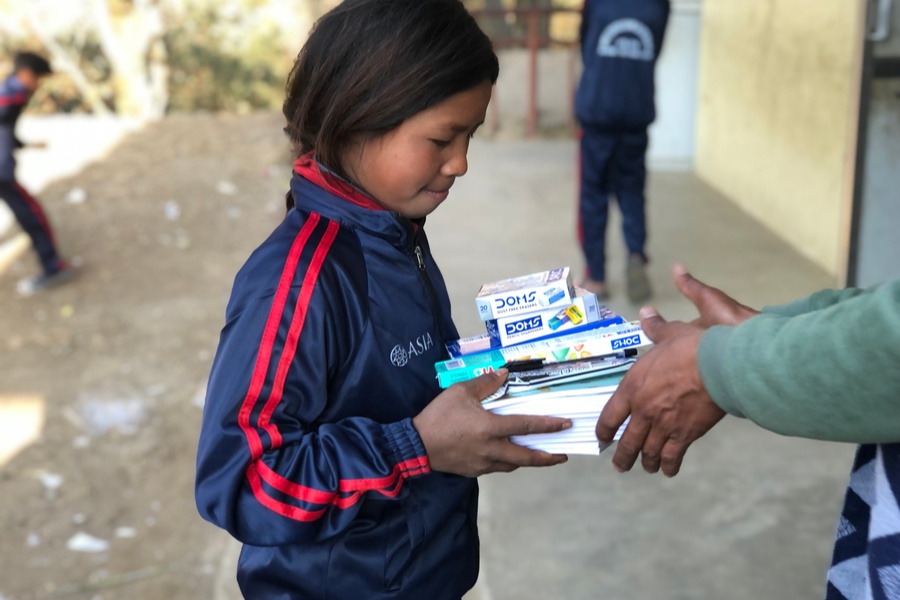
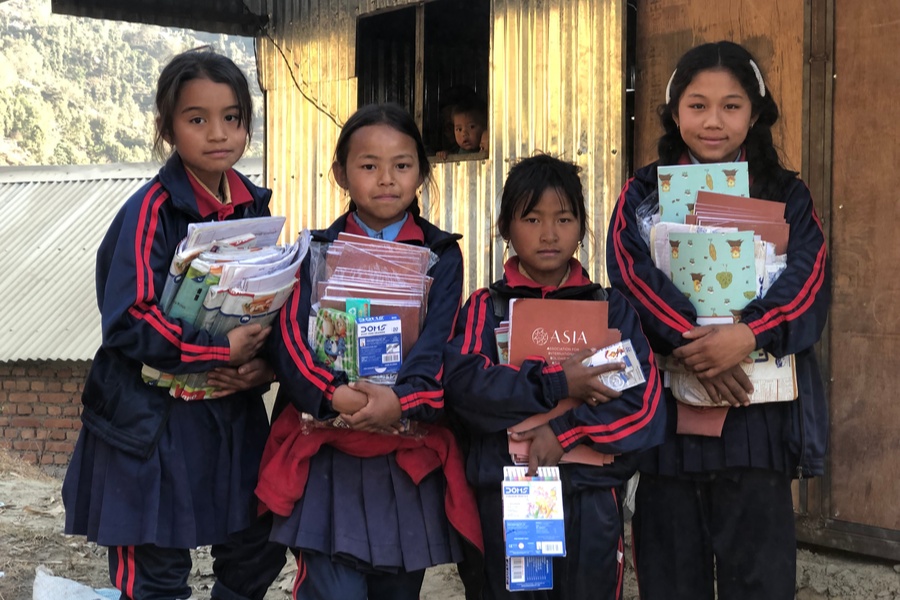
Supporting a child, an elderly person, or a monk from a distance costs 25 euros per month, or 300 euros per year. Supporting a university student or someone attending higher education through a scholarship costs 41 euros per month, or 500 euros per year. Twenty percent of this donation is retained by ASIA to cover project management costs, while eighty percent is sent locally every six months to the institutions that host the children, monks, elderly people, and students. Funds are used to cover all expenses related to improving beneficiaries' living and study conditions: school fees, uniforms, educational materials, food and accommodation in dormitories, medical care, and so on. Thanks to sponsorship, schools and institutions are also provided with everything needed to ensure not only full respect for beneficiaries' language and culture of origin, but also inclusive and quality education: trained teachers, adequate resources and educational materials, extra training courses for both students and teachers, and more. To guarantee that funds are used transparently and consistently with the goals of the sponsorship program, ASIA constantly monitors each project through specific monitoring missions to the institutions, carried out by local or Italian staff, and by regularly requesting narrative, photographic, and financial reports.
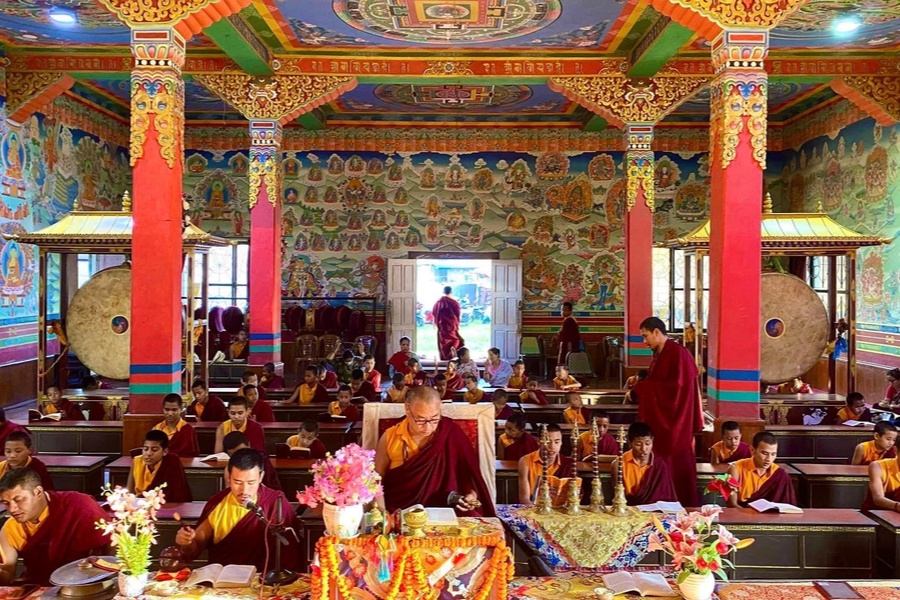
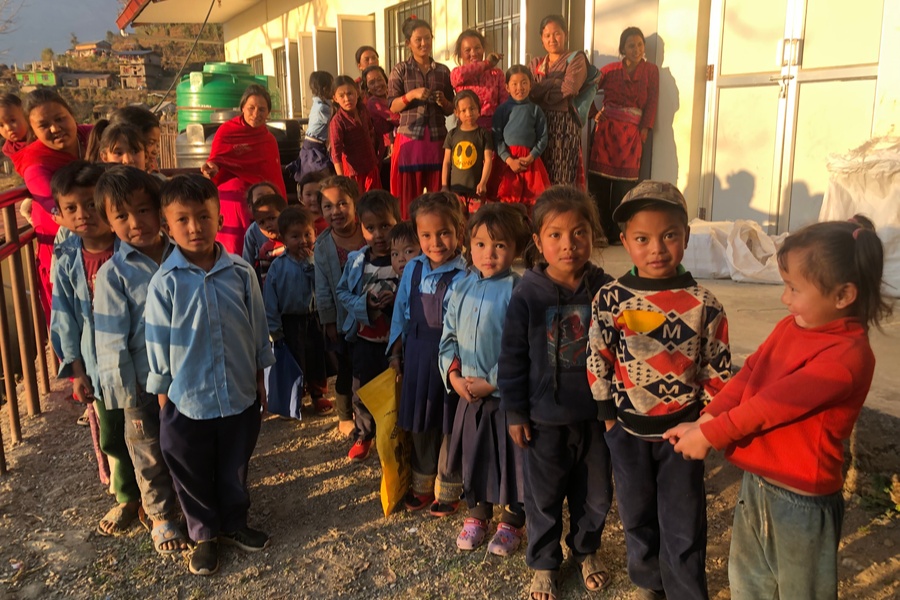
Your support sustains vital needs:
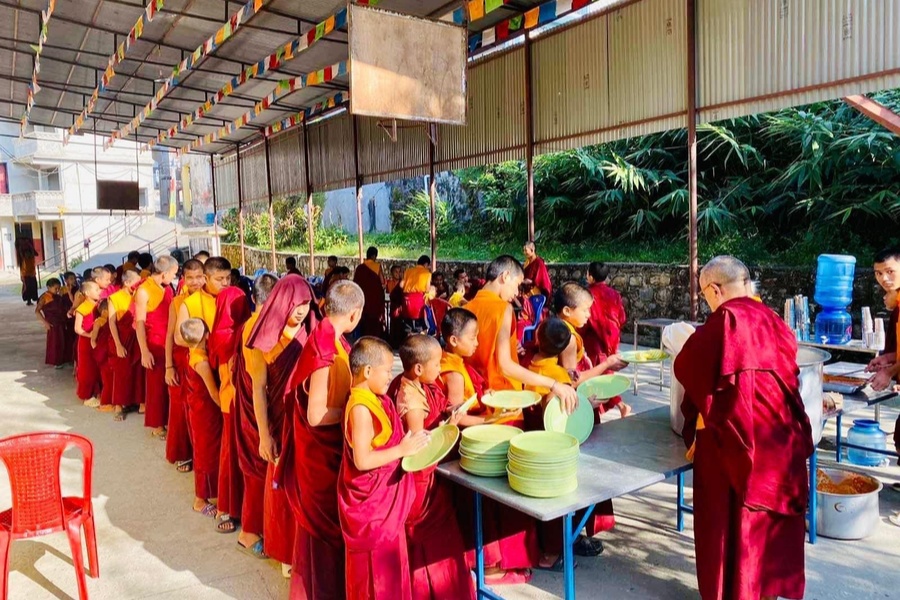
Thanks to your long distance sponsorship commitments, ASIA supports schools at every level—from pre-school to higher education—as well as monasteries, monastic colleges, and assisted living facilities.
Year after year, we help ensure access to education and dignified living conditions for the people we serve. We are committed to respecting cultural identity and preserving it for future generations.
Rasuwa: protecting childhood, nurturing the future
In Rasuwa, supporting one child means supporting an entire community.
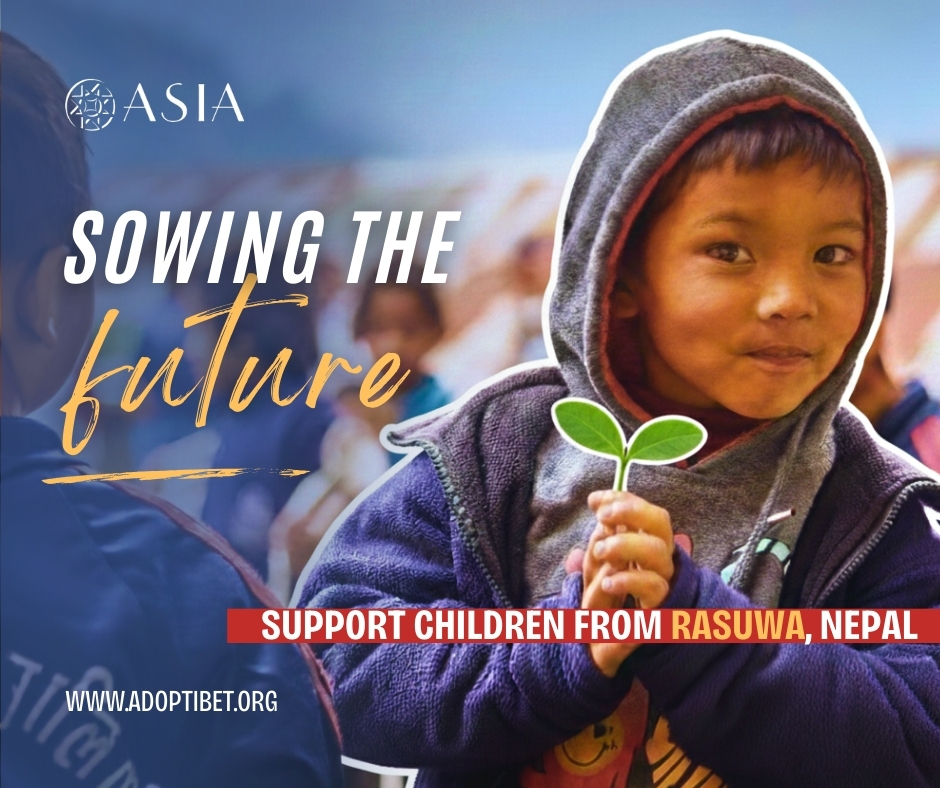
Rasuwa is a remote, mountainous district home to around 43,000 people. Most families depend on subsistence farming and livestock, with harvests that are often insufficient to last the entire year.
Poverty here is severe: 41% of the population lives in food insecurity, and 31% of children under the age of five are underweight and at risk of stunted growth.
In Rasuwa, school is not only a place of learning. It is often the only space of protection, stability, and hope for hundreds of children.
A place that offers both nutritional and social support, where children can find a hot meal and the care of classmates and teachers.
In 2015, a devastating earthquake struck the area, destroying almost all buildings and leaving deep social and economic scars. Even today, many families continue to live in precarious conditions, and school dropout rates, especially among girls, remain very high.
It is within this context that ASIA's schools in Rasuwa were established: safe, welcoming spaces designed to protect children and give them a real chance for a better future.
Today, more than 400 girls and boys study here. They learn, play, and grow. And, above all, they stay safe. To continue their education, however, they need concrete support.
Distance sponsorship makes all of this possible: access to food and clean water, learning materials, trained teachers, protection, and opportunities.
In Rasuwa, supporting one child means supporting an entire community. It means planting the seeds for future generations and safeguarding tomorrow for everyone.
Beneficiaries supported in 2024
Over 1,100 individuals currently receive direct support through 24 sponsorship projects in Nepal, Bhutan, and India.