
What we do
Tibet: preserving culture, spirituality, and the ecosystem

Understanding the Land and Its People
Tibet is a unique historical and geographical region located on the world's highest plateau. Spanning 2.5 million square kilometers and home to 6 million Tibetans, Tibet is renowned for its rich cultural and spiritual heritage. However, since its annexation by China in 1951, the region has faced deep political and social implications.
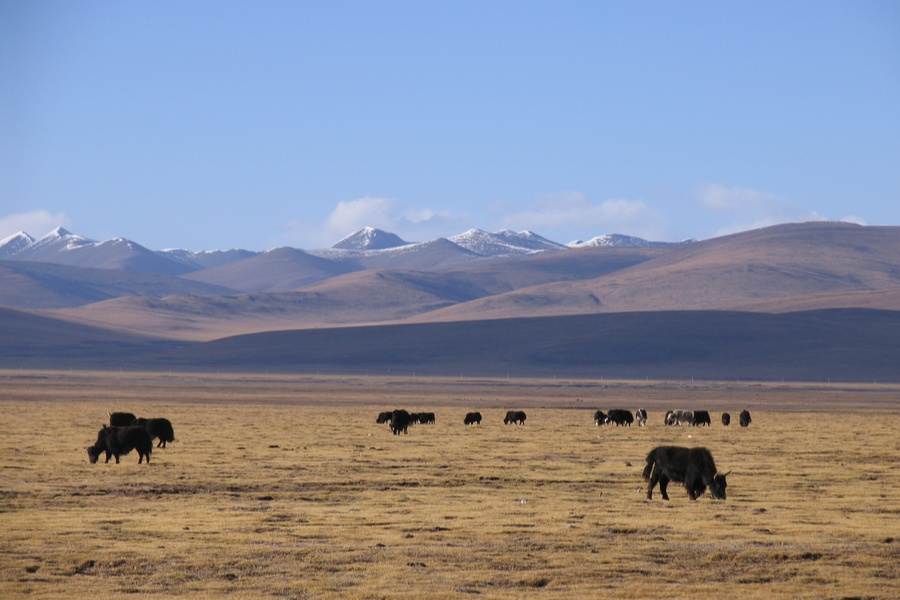
The Tibetan economy is largely based on agriculture and animal husbandry. The yak, in particular, is a vital resource for rural families, providing milk, meat, and labor. Despite their cultural and environmental contributions, Tibetan regions have long been among the poorest in China due to high altitudes, limited infrastructure, and remote locations.
In recent decades, the Chinese government has launched economic development programs through large-scale immigration, domestic tourism, and mining. However, these activities— combined with climate change—are accelerating the melting of glaciers and permafrost, posing serious risks to water reserves across the Asian continent.
Our Tibetan Commitment
From 1988 to 2021, ASIA implemented over 200 projects in the Tibetan Autonomous Region, as well as in Qinghai and Sichuan, with targeted interventions to support local communities in facing environmental, social, and political challenges in an extremely complex context.
In the course of more than 30 years of activity, we carried out projects in three main areas:
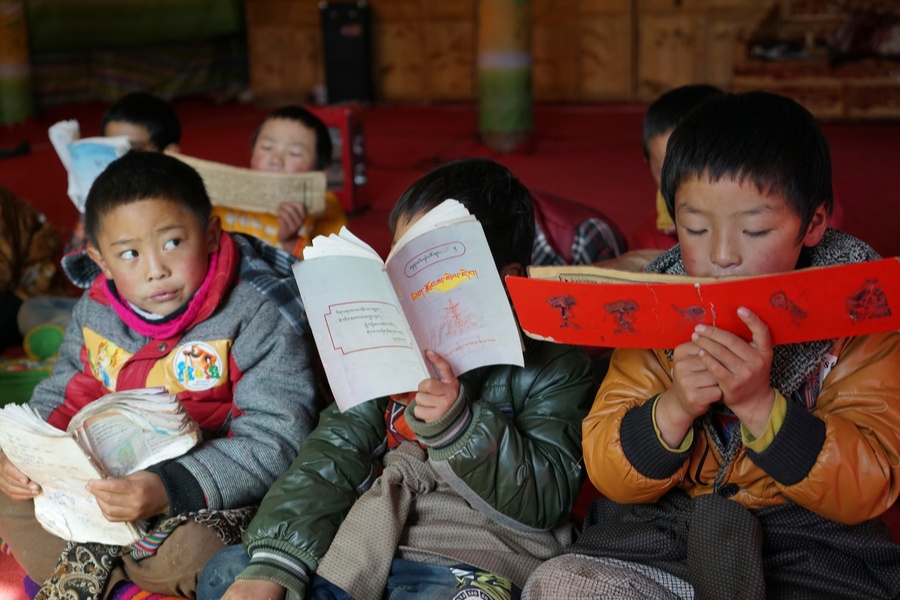
- Education: Construction of around twenty boarding schools for the children of nomadic families, establishment of teacher training programs, and distribution of school materials.
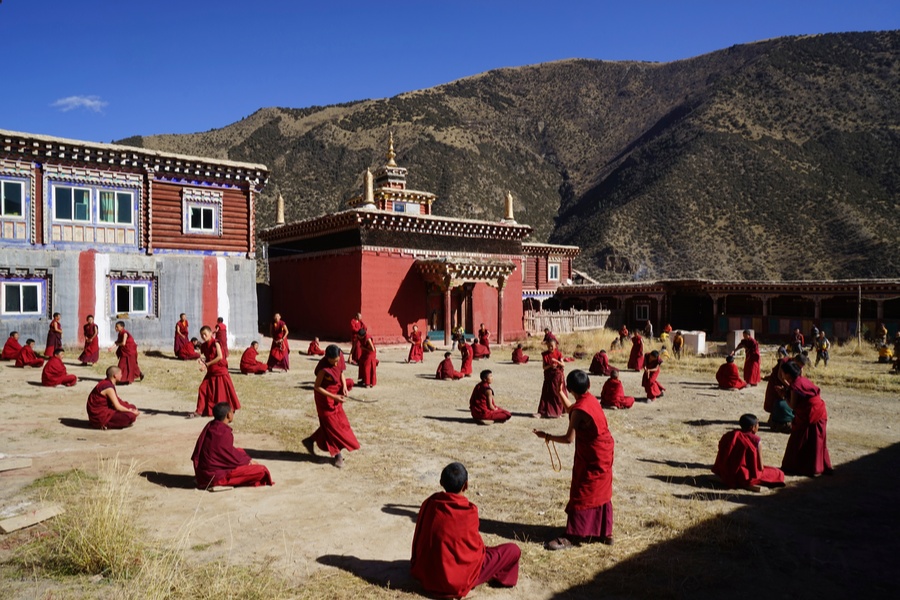
- Preservation of Ancient Spiritual and Cultural Traditions: Restoration of 14 Buddhist colleges, publication of thousands of Tibetan texts, and creation of educational programs integrating traditional culture.
- Support for Nomadic Communities: Construction of 10 hospitals, distribution of livestock, food, blankets, and essential supplies to families affected by natural disasters such as snowstorms and extreme weather events that devastated livestock populations.
ASIA has also been at the forefront of emergency response efforts in the region, providing humanitarian aid during earthquakes, floods, droughts, and other natural disasters.
ASIA's Challenges and the Forced Closure in 2021
Working in Tibet has always meant navigating a challenging environment—not only due to harsh natural conditions but also because of its complex political and social dynamics. ASIA was the last international organization still active in the region until 2021, when, without any official explanation, local authorities ordered the closure of our office.
Despite this forced halt, the achievements remain a significant legacy for the Tibetan communities, and our commitment continues through projects in other areas of the Himalayas that share the same culture and traditions.
How You Can Support Tibet
Although ASIA can no longer operate directly in Tibet, we continue to promote the safeguarding of Tibetan culture and support the communities that keep its traditions alive.
Come puoi sostenere il Tibet
Sebbene ASIA non possa più operare direttamente in Tibet, continuiamo a promuovere la salvaguardia della cultura tibetana e il sostegno alle comunità che ne preservano le tradizioni.