
What we do
Emergency and Post-Emergency

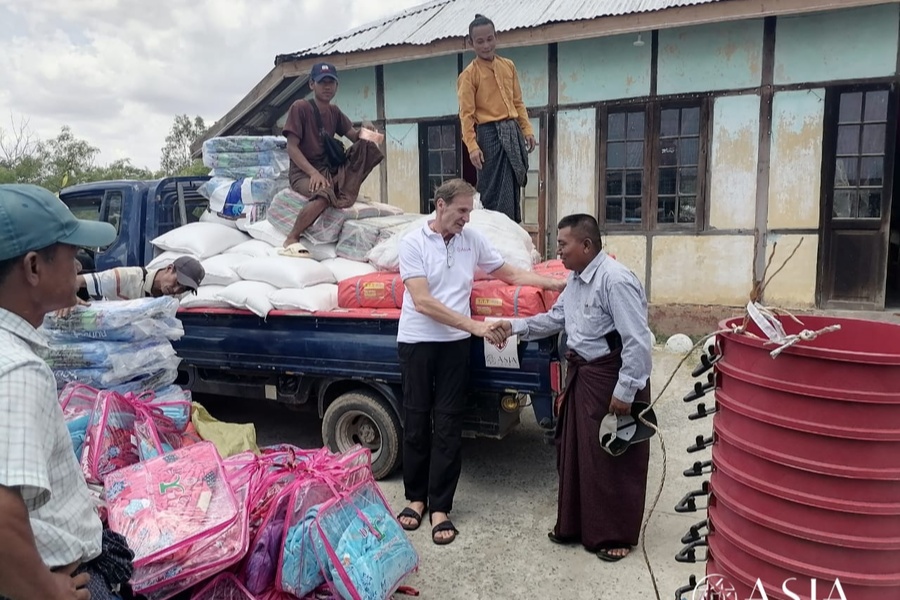
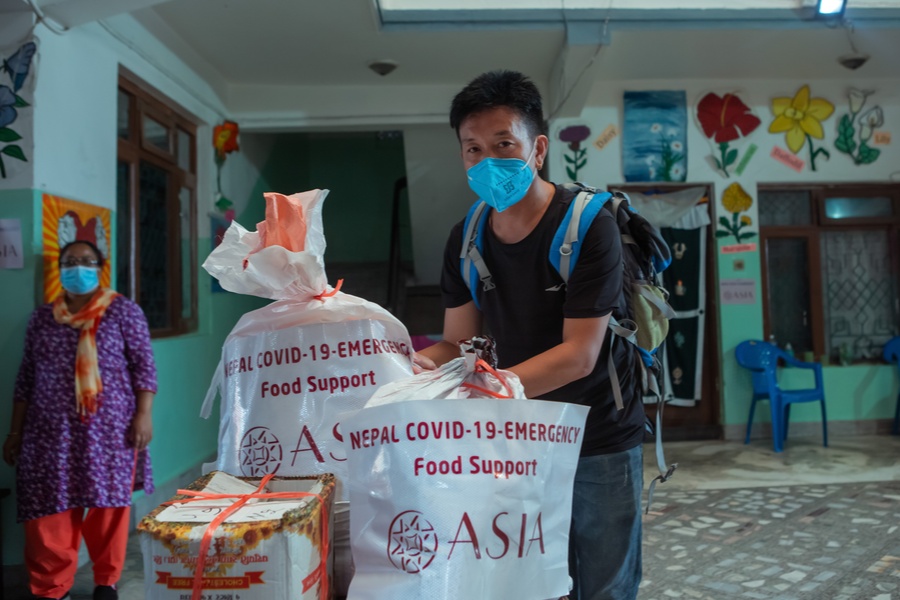
In the event of natural disasters, ASIA provides immediate and effective responses, supporting affected communities in rebuilding their daily lives. This means ensuring the availability of basic necessities, the restoration of essential infrastructure and services, and psychological support to cope with the trauma suffered.
Key Challenges
Intervening in emergency contexts requires addressing significant challenges:
- Dependence on external aid, which can slow down the return to self-sufficiency.
- Coordination among different actors, often complicated by divergent interests and difficulties in organizing a joint response.
- Geopolitical influences, which can hinder interventions aimed at the real needs of the populations.
Our Approach
ASIA works to transform crisis into an opportunity for sustainable development through the reconstruction of homes, schools, and clinics, and the activation of programs that foster capacity building and the economic and social resilience of affected communities. These interventions are part of the Triple Nexus framework, which links humanitarian aid, development, and peacebuilding, operating synergistically in the phases of first aid, rehabilitation, and development.
In the emergency phase, we intervene with:
- Distribution of basic necessities: food, clothing, hygiene-sanitation kits, tents, and temporary shelters.
- Restoration of livelihoods: support in the livestock and crop sectors and their relative markets, which are vital for the survival of rural communities.
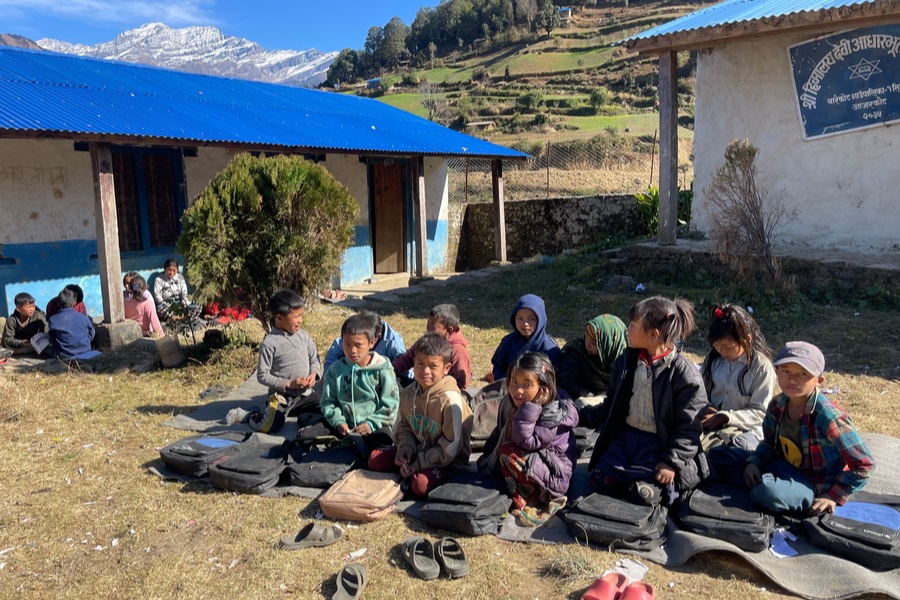
- Rehabilitation of structures and services: homes, educational centers and services, healthcare facilities and services.
In the post-emergency phase, we rebuild homes, schools, and clinics, promote income-generating activities, and foster social cohesion to restore dignity and stability to the affected communities.
Through tools such as MEAL (Monitoring, Evaluation, Accountability, and Learning), ASIA ensures the transparency and quality of its interventions, placing the real needs of the populations at the center.
In this sector, ASIA contributes to the United Nations Sustainable Development Goals 2 (Zero Hunger) 3 (Good Health and Well-being) 6 (Clean Water and Sanitation) 11 (Sustainable Cities and Communities) 13 (Climate Action) 16 (Peace, Justice, and Strong Institutions) 17 (Partnerships for the Goals)
Projects