
What we do
Training and Micro-enterprise

Micro-enterprises, which often operate within a family context, represent a fundamental resource in rural areas where job opportunities are limited. Sectors such as agriculture, retail trade, and services offer space for job creation, especially if supported by training programs. These small entrepreneurial entities, if adequately supported, can contribute to local economic development and serve as tools for inclusion for women, youth, and the unemployed.
Key Challenges
In the Himalayan countries and Southeast Asia, the main challenge is to transform a subsistence and informal economy into a resilient, digital, and certified system, capable of withstanding climate shocks and integrating young people into an increasingly technological labor market.
Our Approach
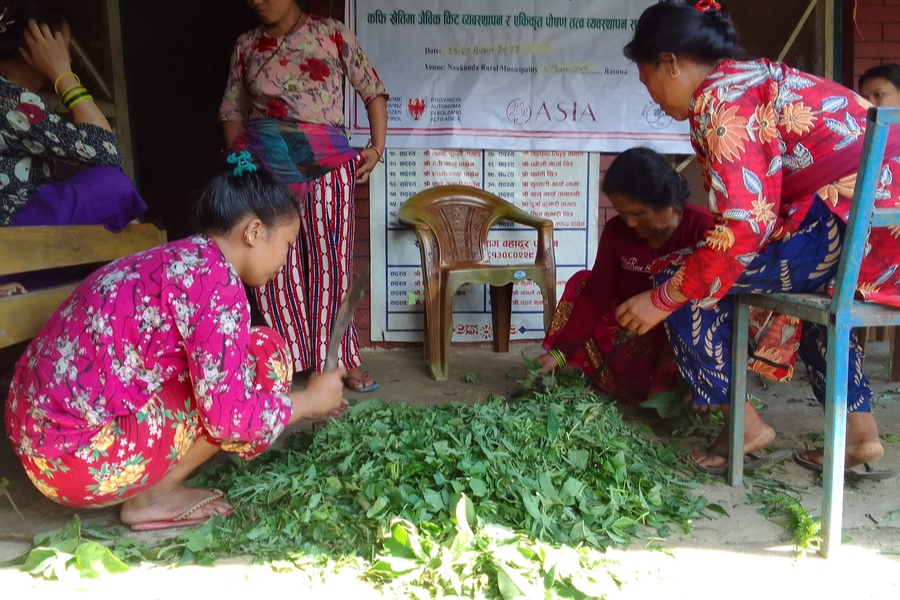
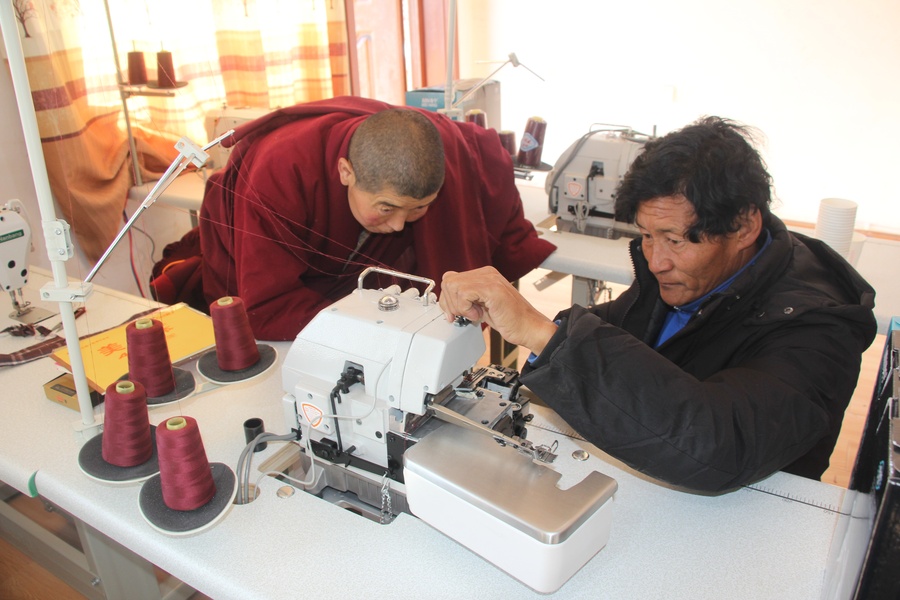
ASIA strengthens local communities through training activities aimed at developing professional skills and promoting an entrepreneurial culture. Improving the capacities of local communities enables individuals and institutions to autonomously face economic and social challenges, contributing to poverty reduction and promoting social inclusion.
We also focus on improving the digital and entrepreneurial skills of micro-entrepreneurs by creating training opportunities tailored to local needs—from financial management to business planning and marketing—and by fostering initiatives that promote gender equality and the reduction of inequalities.
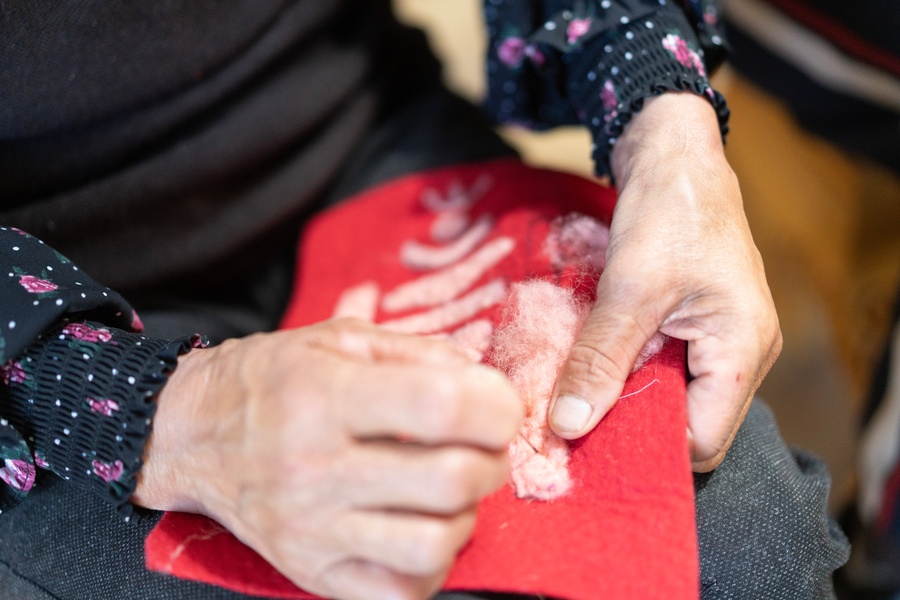
ASIA supports the creation of micro-enterprises and cooperatives, providing technical and managerial training to facilitate entry into the labor market and stimulate economic development in vulnerable communities.
In this sector, ASIA contributes to the United Nations Sustainable Development Goals 4 (Quality Education) and 8 (Decent Work and Economic Growth).
Projects