What we do
Health and WASH

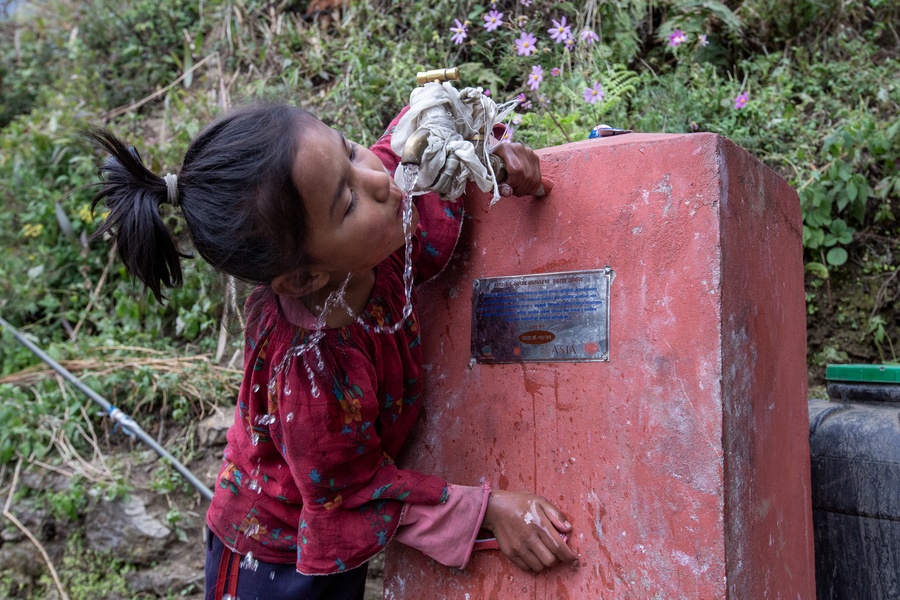
It is estimated that approximately 500 million people in Asia and the Pacific do not have access to a basic water supply, and that 1.14 billion people lack adequate sanitation services.
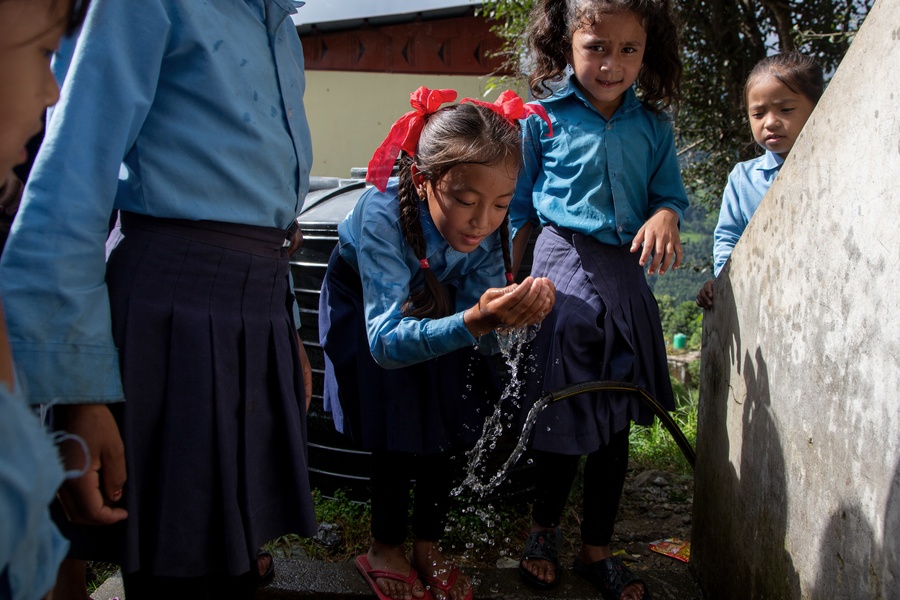
ASIA is committed to promoting the improvement of health conditions and access to safe water resources in the most vulnerable areas, providing integrated interventions ranging from hygiene and health education to the construction of hospitals, clinics, and water filtration systems.
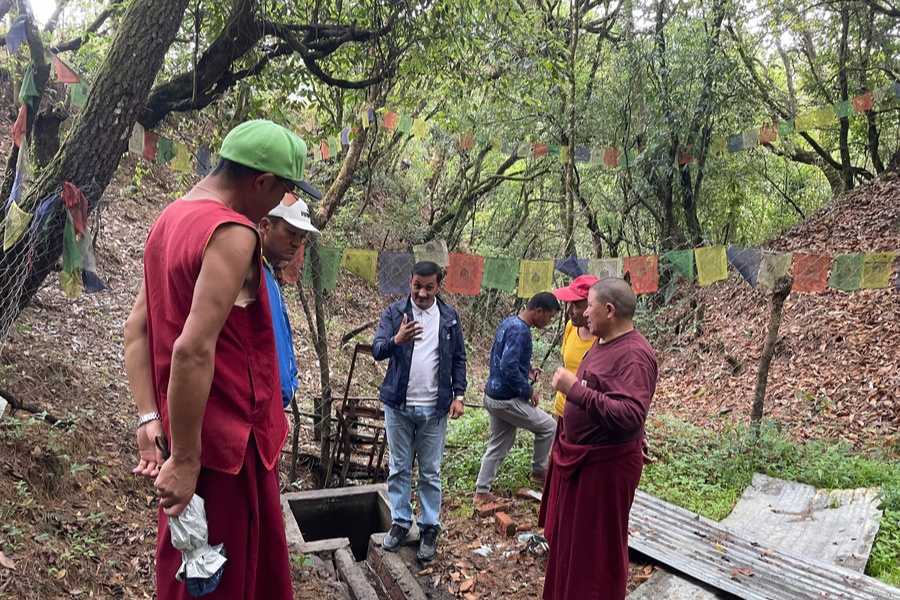
We also support Traditional Tibetan Medicine, building clinics, hospitals, and schools to train traditional doctors and assist populations in the remote areas of the Himalayas.
Key Challenges
In Nepal, more than 10 million people do not have access to adequate sanitation services and 3.5 million lack access to safe drinking water. 71% of water sources — and 91% of those used by the poorest segment of the population — are contaminated.
Myanmar is one of 57 countries in the world with a severe shortage of medical personnel. In rural areas, where 70% of the population lives, most villages lack basic healthcare. The situation is further aggravated by the civil war ongoing since 2021.
In Mongolia, many people, especially in remote areas, still do not have access to clean water and adequate sanitation. In some rural areas, families must travel several kilometers to access basic hygienic facilities.
Although Bhutan boasts advanced health standards at a central level, a significant infrastructural gap persists in the mountainous regions.
Our Approach
We address the challenges in this sector with integrated interventions that respond directly to local issues, improving the quality of life and contributing to the well-being of communities. The main activities include:
- Hygiene and health education to raise awareness among populations about good hygienic practices.
- Construction and upgrading of healthcare facilities in remote areas.
- Support for Traditional Tibetan Medicine, promoting a holistic approach to health.
- Provision of safe drinking water through filtration plants and wells.
Investing in health and WASH not only reduces child mortality and improves living conditions but also generates significant economic returns, thus contributing to the growth and sustainability of communities.
In this sector, we contribute to the United Nations Sustainable Development Goals 3 (Good Health and Well-being) and 6 (Clean Water and Sanitation).
Projects