
What we do
Protection of Spiritual, Cultural, and Artistic Heritage

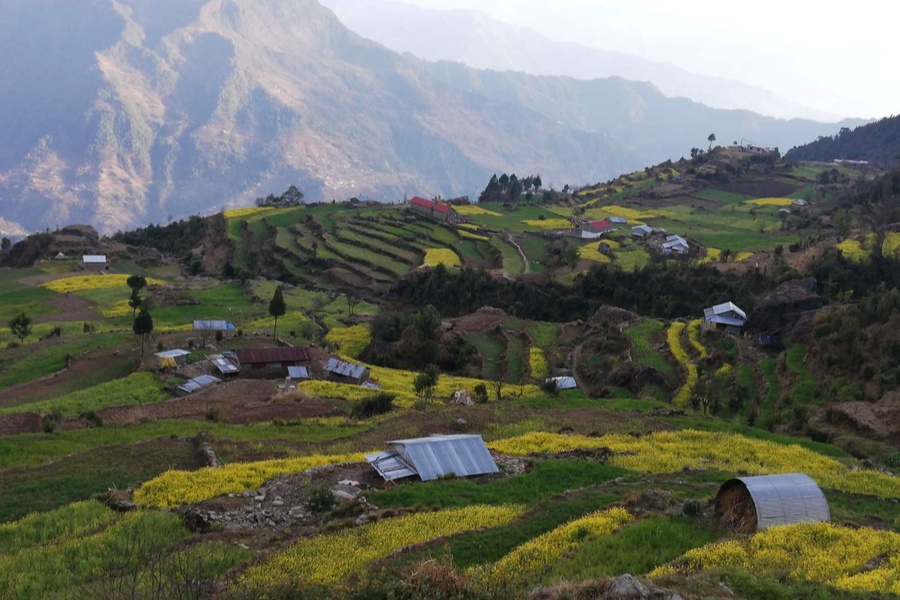
The Himalayas, an alpine arc extending over 2,500 km from the Indus to the Brahmaputra, cross five Asian countries and are considered the spiritual center of the world. They are home to a population of 65.57 million people belonging to diverse ethnic groups and serve as the cradle of great traditions such as Hinduism, Buddhism, and Islam. Hundreds of temples and shrines have been built over the centuries across these regions.
Key Challenges
Conflicts, globalization, mass tourism, and climate change threaten the very existence of these populations and their identity. Languages, cultural traditions, and spiritual practices risk disappearing, leading to an inestimable loss for humanity. Safeguarding this heritage is not only a cultural matter but a fundamental element for promoting social cohesion, resilient societies, and sustainable development in harmony with the environment.
Our Approach
ASIA is committed to protecting the spirituality, traditions, and the tangible and intangible cultures of Himalayan minorities through:
- Restoration of historical and artistic heritage: We work on the restoration of ancient monasteries, study colleges, historical buildings, wall paintings, and statues, helping to preserve the historical and spiritual memory of these communities.
- Valorization of traditional knowledge: We identify and publish ancient manuscripts, making them accessible to scholars, monks, and laypeople. We promote the "10 traditional sciences," such as music, astrology, medicine, philosophy, and calligraphy, spreading knowledge that strengthens local cultural identity.
- Training and scholarships: We offer scholarships to young Himalayan people, helping them develop technical and cultural skills to protect their heritage and contribute to the well-being of their communities.
- International awareness: We organize conferences and produce informative materials to spread knowledge of Himalayan traditions outside of Asia, with particular attention to Italian civil society.
Through its commitment, ASIA aims to ensure that this unique heritage continues to inspire future generations and promote a more equitable and sustainable future.
In this sector, ASIA contributes to the United Nations Sustainable Development Goals 4 (Quality Education) and 11 (Sustainable Cities and Communities).
Projects