
What we do
India: our commitment to Tibetan refugee communities

The Roots of Tibetan Communities in India
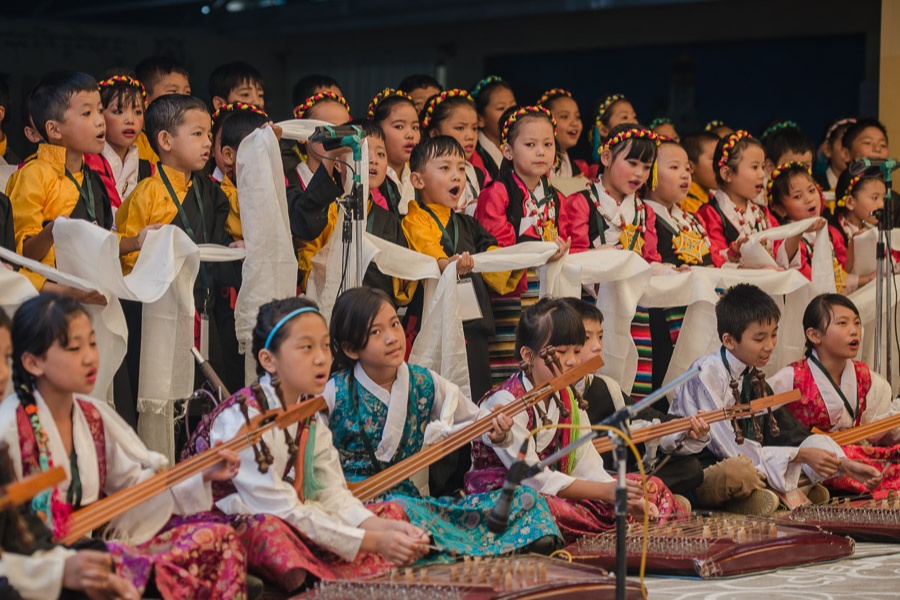
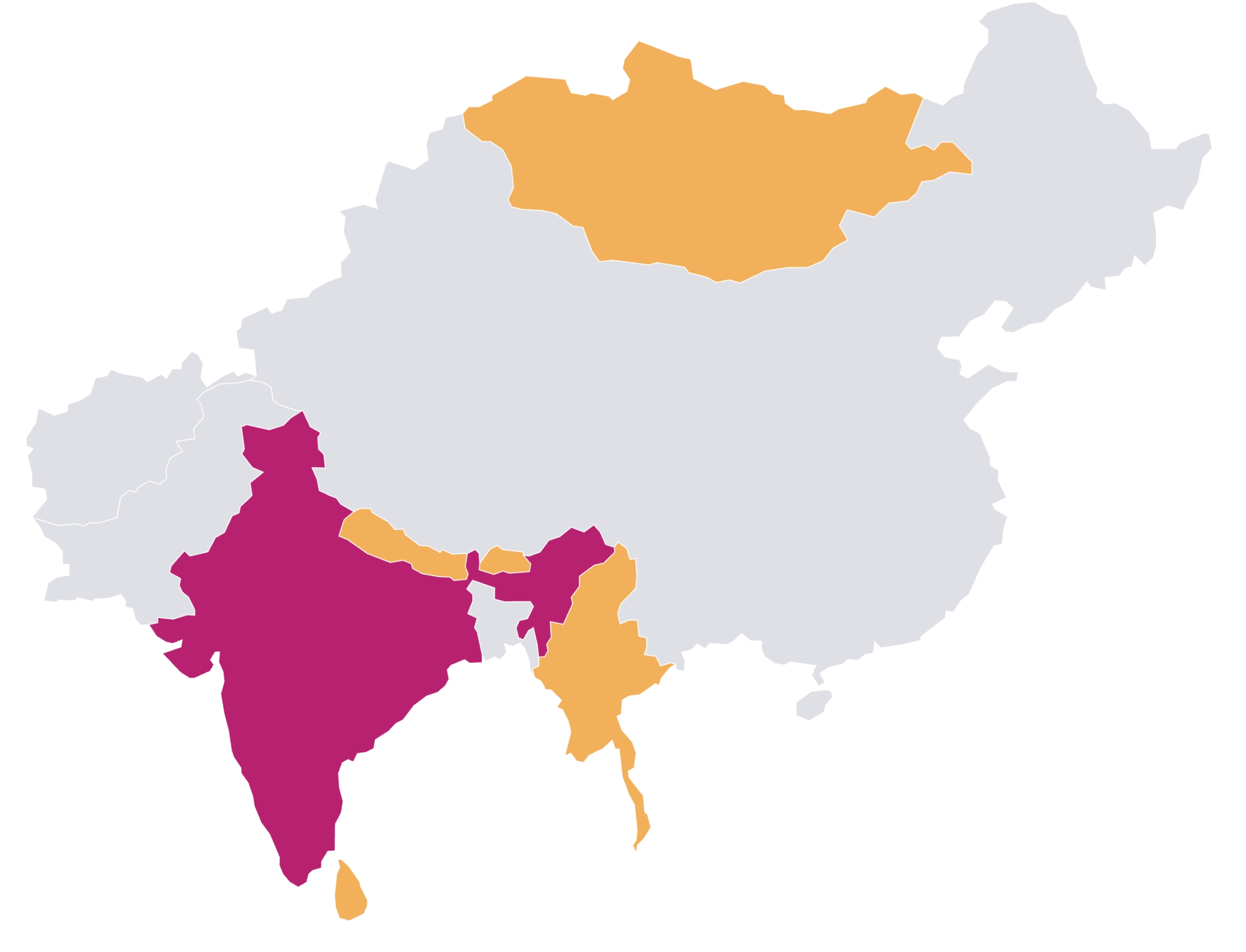
The presence of Tibetan communities in India dates back to 1959, when a large number of Tibetans, led by the Dalai Lama, fled their homeland following the Chinese invasion and occupation of Tibet. These refugees settled primarily in regions such as Himachal Pradesh, Uttarakhand, Jammu and Kashmir, and Karnataka. Notable settlements include Dharamsala—including the well-known village of McLeod Ganj, home to the Tibetan government-in-exile—as well as Bylakuppe in Karnataka.
These communities are a powerful testament to Tibetan cultural resilience. Their identity is preserved through the continued practice of religious, cultural, medical, and linguistic traditions, supported by the global Tibetan diaspora. Many Tibetan refugees are actively engaged in advocating for the Tibetan cause—seeking freedom and autonomy for their homeland—while preserving Tibetan Buddhism, music, art, and traditional cooking.
ASIA's Work in India
ASIA began working in India in 1994 through its long distance sponsorship program, with the primary goal of preserving the Tibetan language and culture. Over the years, ASIA has partnered with numerous institutions established after the Dalai Lama's exile, supporting children, youth, the elderly, and monastic communities in key Tibetan settlements.
Through long distance sponsorship, ASIA helps satisfy core needs:
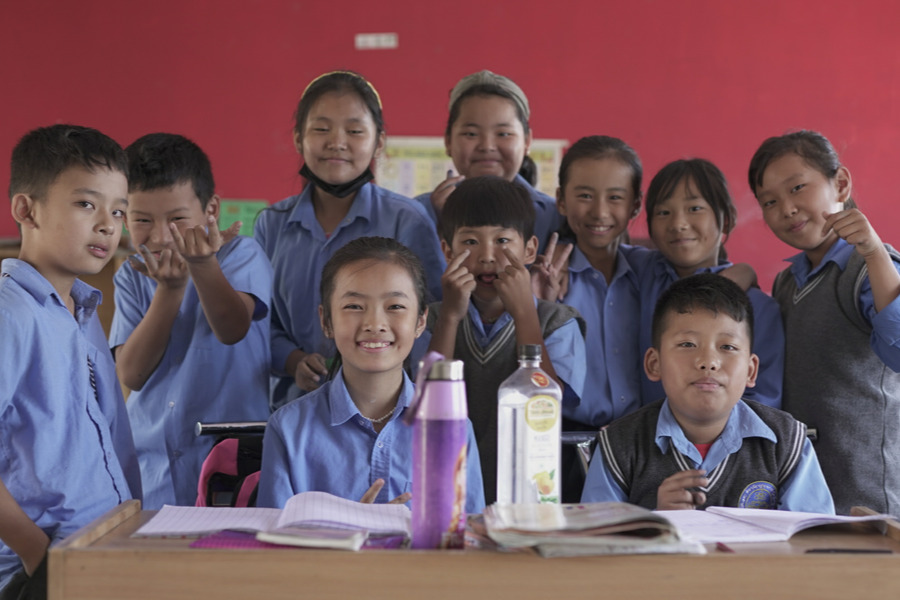
- Covering living and educational expenses for students, from kindergarten to university.
- Funding the training and professional development of young Tibetans to secure their future.
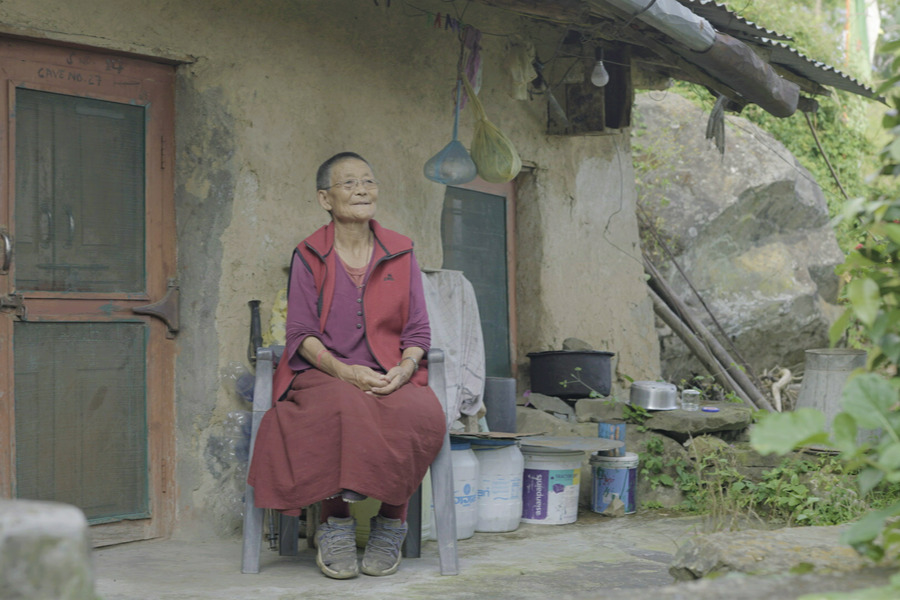
- Providing care and support for elderly or ill Tibetan monastics and laypeople who can no longer support themselves.
Preserving a Timeless Culture
Through its initiatives, ASIA helps ensure the survival of Tibetan traditions in exile, strengthening the cultural and spiritual identity of a community that, though far from its homeland, continues to be a source of unique richness and inspiration for the world.