
What we do
Sustainable Development and Food Security

In Asia, food insecurity affects half a billion people. With 60% of the population vulnerable to climate change, countries such as Nepal, Bhutan, Myanmar, and Mongolia are currently facing critical challenges.
Key Challenges
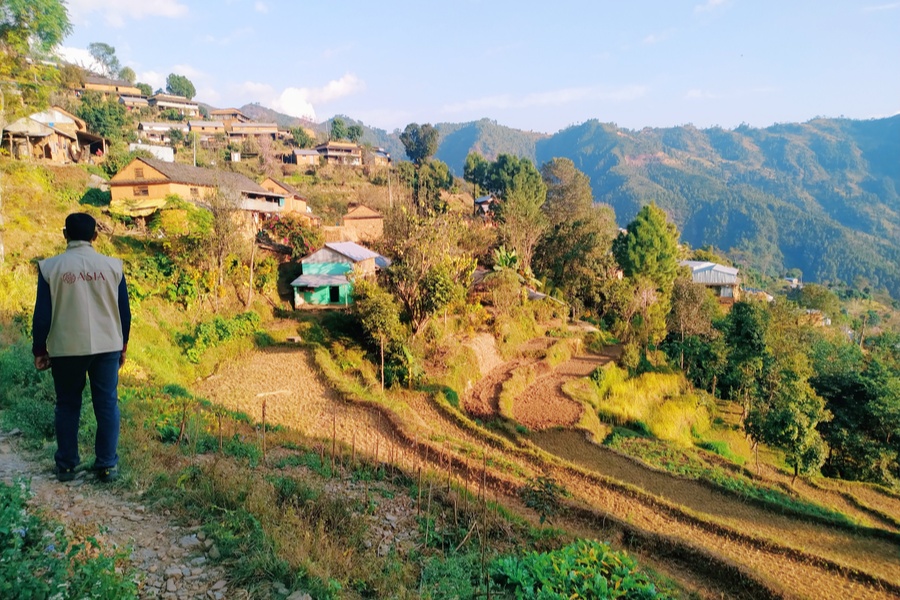
- Nepal: Approximately 4.3 million people suffer from acute food shortages. Furthermore, over 80% of the population is exposed to climate risks and extreme events, including earthquakes, floods, and landslides.
- Myanmar: More than 2 million people face severe food scarcity driven by conflict, economic crisis, and currency devaluation—issues further exacerbated by extreme weather events like typhoons and earthquakes.
- Mongolia: While 25% of the population is affected by food insecurity, harsh winters (dzuds) increasingly threaten the livelihoods of traditional pastoralist communities.
- Bhutan: Over 70% of the population relies on subsistence farming in fragile mountain ecosystems, leaving them highly vulnerable to climate impacts, such as erratic monsoons and Glacial Lake Outburst Floods (GLOFs).
Our Approach
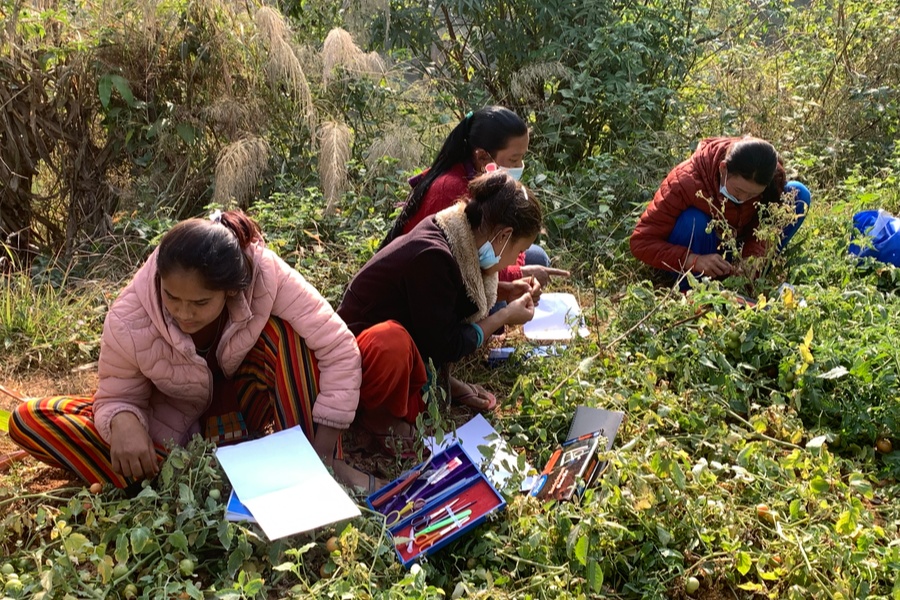
Our projects follow a participatory approach, empowering communities with the tools needed to navigate future challenges and ensure long-term, sustainable impact.
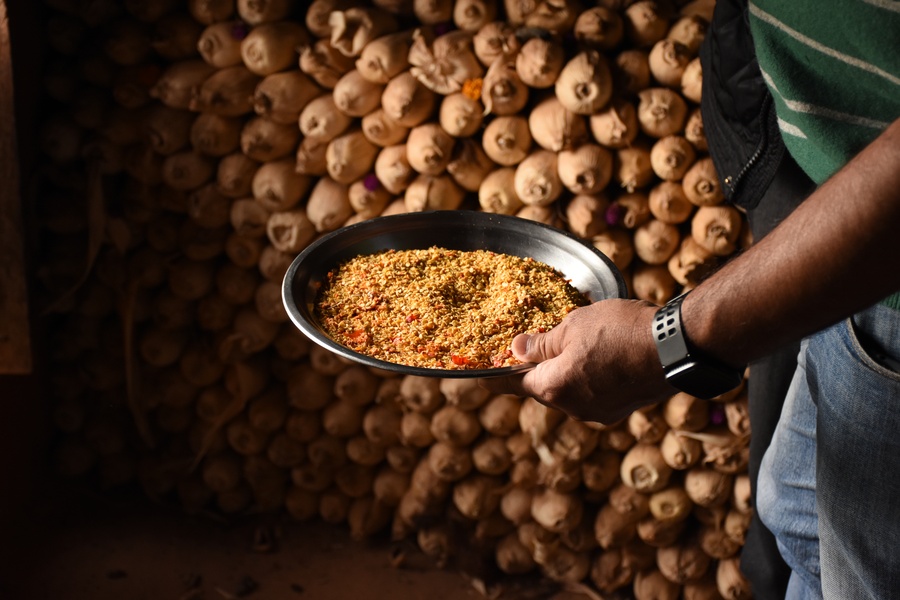
- Sustainable Agriculture: We advocate for farming practices that respect both the land and the people. By promoting climate-smart agriculture, we integrate traditional wisdom with innovative techniques—from watershed protection to crop diversification. This reduces chemical dependency and enables communities to adapt to a changing climate, securing a self-reliant future.
- Local Economy and Micro-enterprise: We foster the growth of social cooperatives and resilient value chains. By connecting local producers to broader markets and supporting micro-enterprises, we help build thriving, sustainable local economies.
- Environmental Conservation: For us, environmental health is inseparable from community well-being. We promote agroforestry and sustainable pasture management to protect biodiversity and combat soil degradation, ensuring natural resources remain a resilient source of livelihood for future generations.
- Cultural Heritage and Leadership: We honor and amplify the traditional knowledge of Himalayan and Asian peoples. In our projects, ancestral wisdom is more than just respected—it is the foundation of community leadership, ensuring solutions are culturally grounded and environmentally sound.
Through these initiatives, ASIA actively contributes to the United Nations Sustainable Development Goals (SDGs) 2 (Zero Hunger) and 13 (Climate Action).
Projects