
What we do
Investing in women and vulnerable groups to strengthen community health resilience to the effects of climate change in Jajarkot District, Nepal
Countries
Fields of intervention
- Opening date: March 2025
- Closing date: September 2026
WHERE
Nepal, Karnali Province, Jajarkot District, Barekot Rural Municipality
CONTEXT
ASIA launched a new initiative in Barekot Rural Municipality, Jajarkot District, aimed at strengthening community health resilience to the growing impacts of climate change in one of Nepal’s most remote and vulnerable post-earthquake contexts. The project was conceived in an area affected by chronic poverty, geographic isolation, weak access to public services and increasing exposure to climate-related hazards, including erratic monsoon patterns, landslides, floods, drought and the spread of waterborne and vector-borne diseases. These structural challenges were further aggravated by the November 2023 earthquake, which displaced much of the population and forced many families to live in temporary shelters under precarious sanitary conditions. In response, the initiative adopted an integrated and community-led approach combining health system strengthening, awareness-raising, nutrition promotion and climate-smart agriculture. Particular attention was given to women, mothers, Female Community Health Volunteers and other vulnerable groups, with the aim of enhancing local knowledge, preventive practices and participation in resilience-building processes. At the institutional level, the project also supports local health workers, health posts and municipal authorities to improve preparedness, service delivery and policy responses to climate-induced health risks. Through this combination of community engagement and systems strengthening, the initiative contributes to building longer-term resilience and healthier living conditions for vulnerable rural populations.
OBJECTIVES
General objective
Reduce the incidence of health risks caused by climate change in the rural municipality of Barekot
Specific objective
Improve the resilience of the Barekot health system through strengthening policy frameworks, health services, capacity development, and awareness raising.
Promote the resilience and autonomy of the Barekot community in matters of health through increased awareness raising, resilient agricultural practices, and the empowerment of women and vulnerable groups.
PROJECT ACTIVITIES
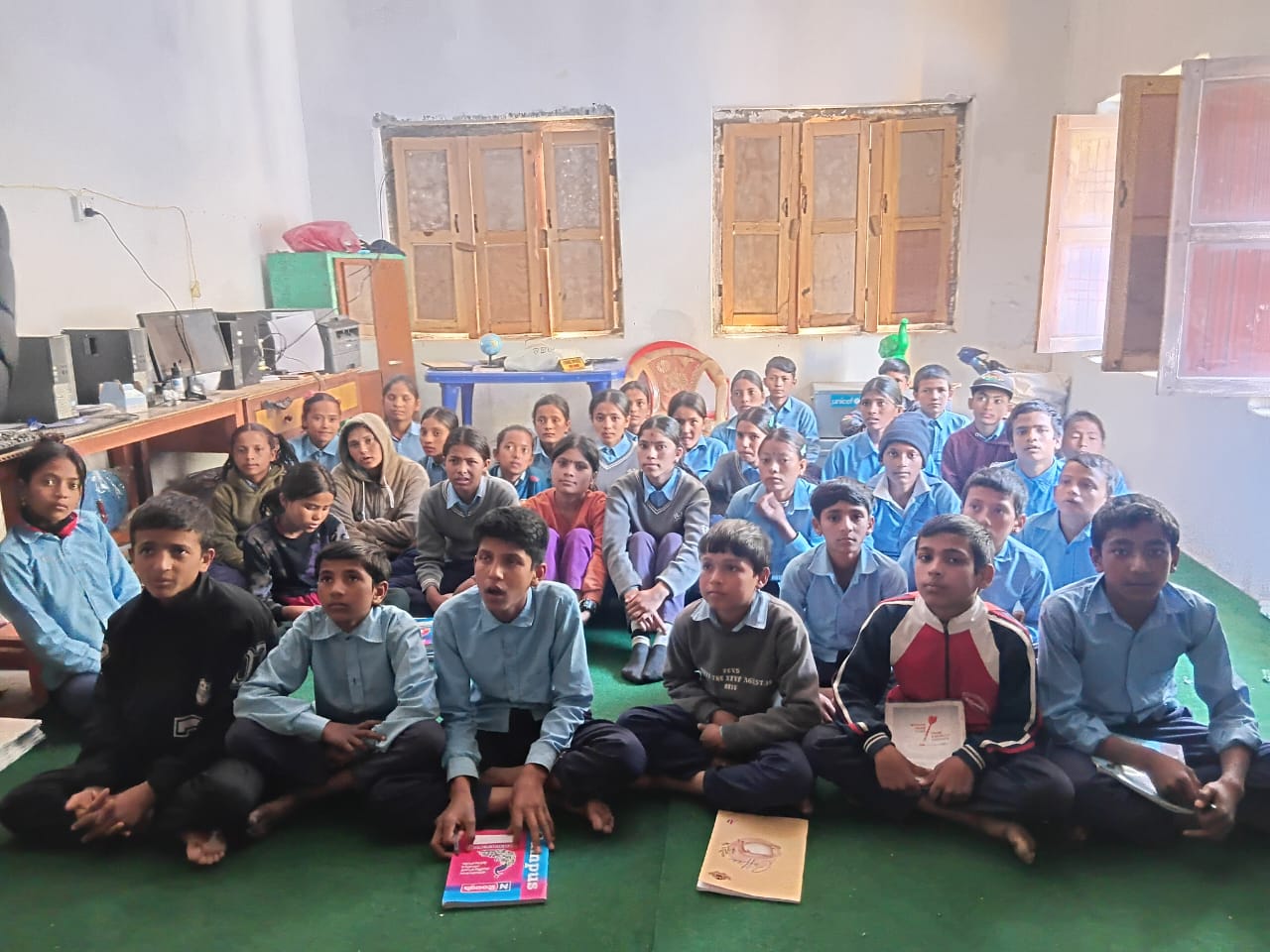
- Awareness-raising and capacity building at community and school levels on climate change, health, hygiene, nutrition, and disaster preparedness, through educational materials, campaigns, and training
- Capacity building of government and community health institutions through staff training, strengthening competencies on diseases and nutrition, and provision of essential equipment
- Review and integration of health and disaster preparedness policies through participatory workshops with health facilities, local authorities, and stakeholders
- Coordination, dissemination, and follow-up of activities and policies, including regular meetings with communities, vulnerable groups, and institutional representatives
RESULTS
- The Barekot RM community, particularly women, vulnerable groups, and young people, possess the knowledge and skills necessary to reduce the health impacts of climate change.
- Health centers and health workers (including community health volunteers and traditional healers) in Barekot RM possess the knowledge and equipment necessary to address the health impacts of climate change.
- Barekot RM's health policy frameworks incorporate climate change mitigation strategies and emergency preparedness plans.
BENEFICIARIES
Direct: 2,700 direct beneficiaries in the rural municipality of Barekot: women, farmers, vulnerable groups (elderly, disabled, and low-income families), health workers (Community Health Volunteers (FCHVs) and health workers from the Barekot RM health centers), and local authorities (local government officials).
Indirect: 13,000 beneficiaries (family members) in the rural municipality of Barekot.
PARTNERS
Practical Help Achieving Self Empowement – PHASE Nepal