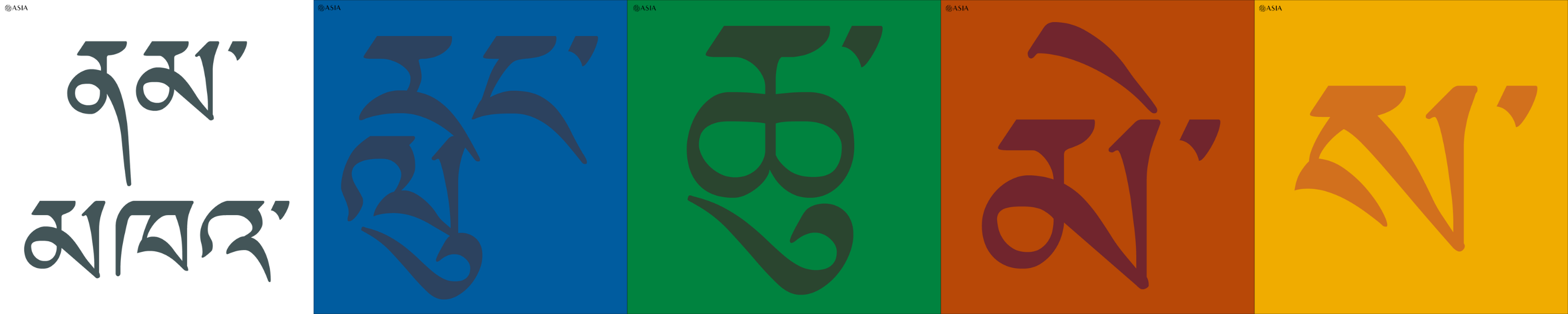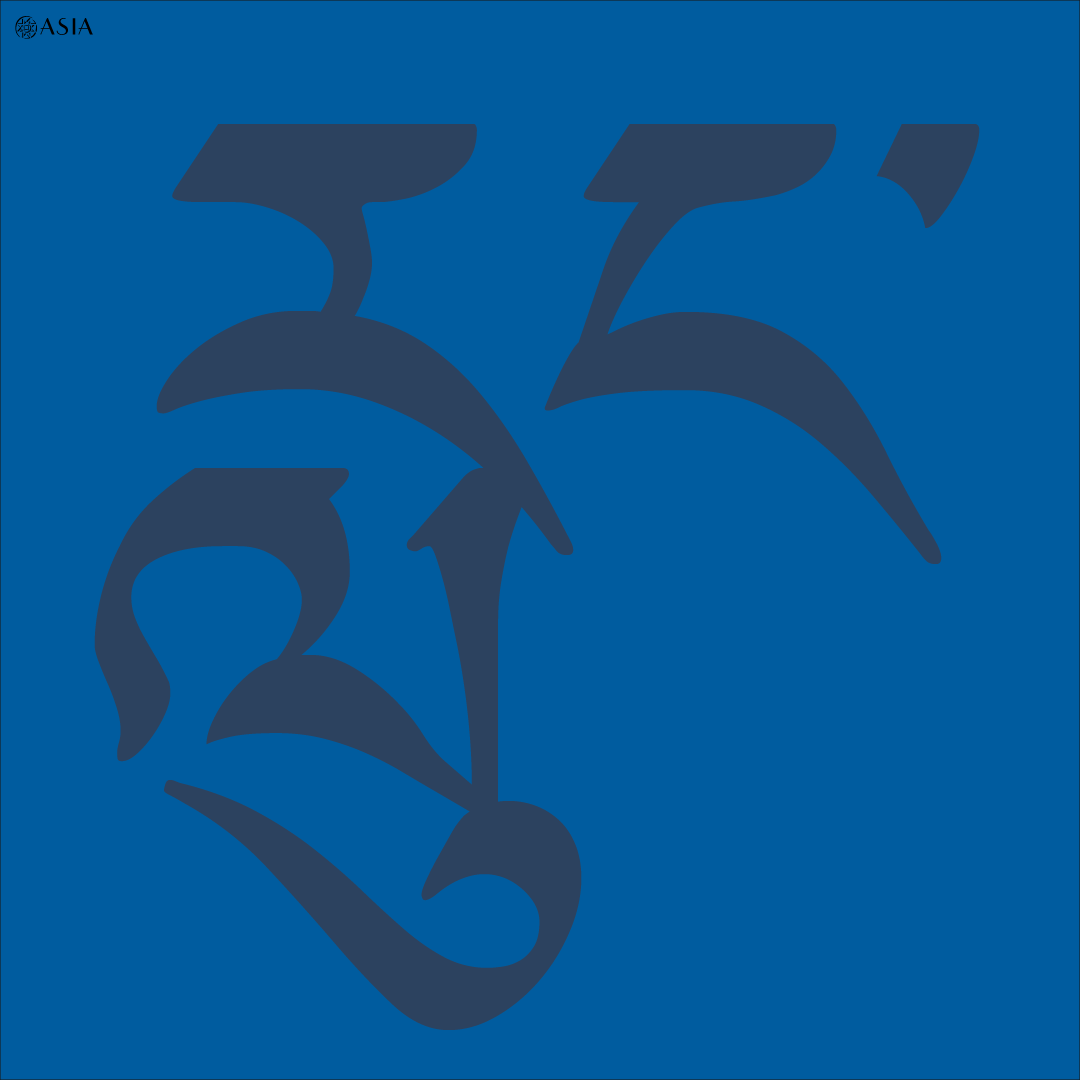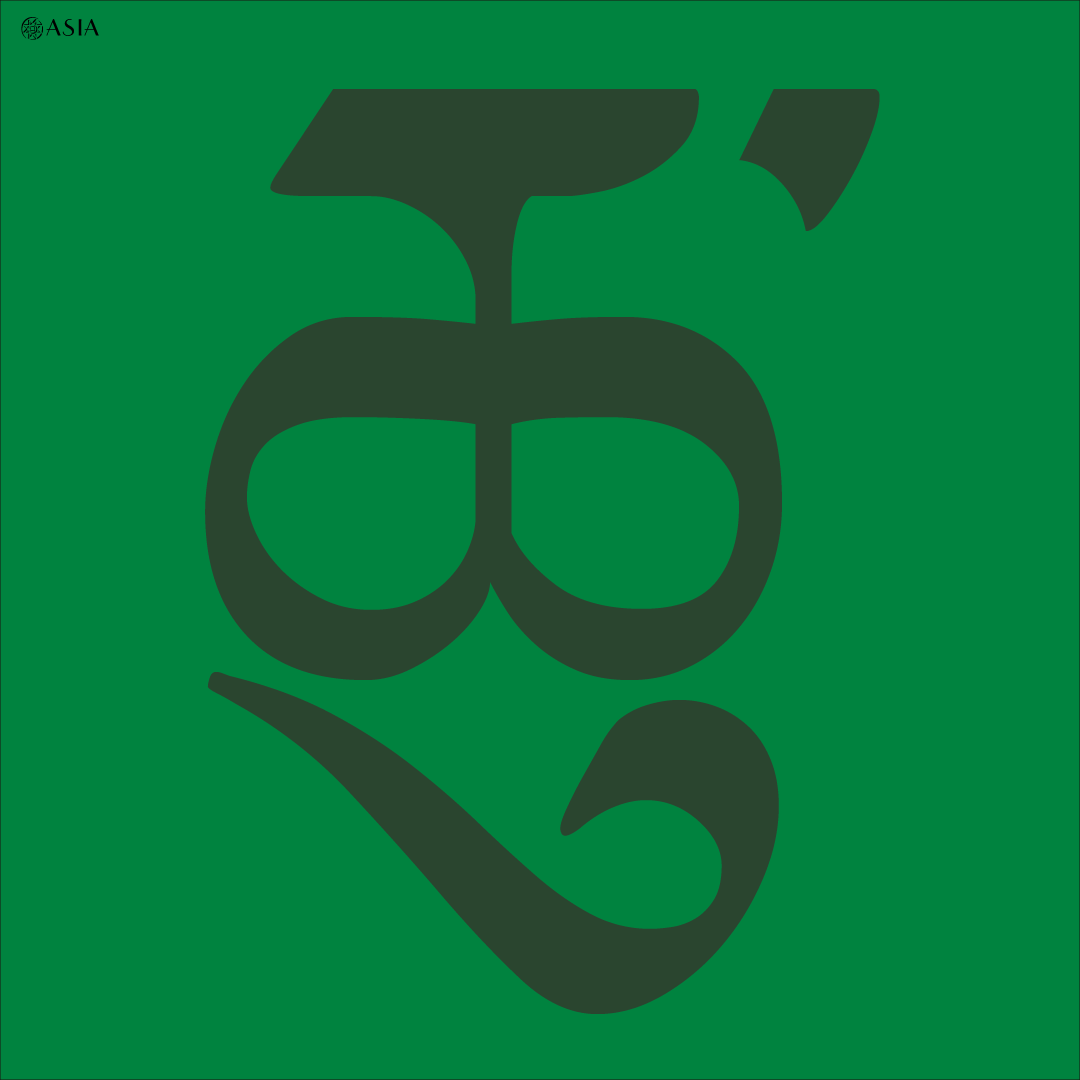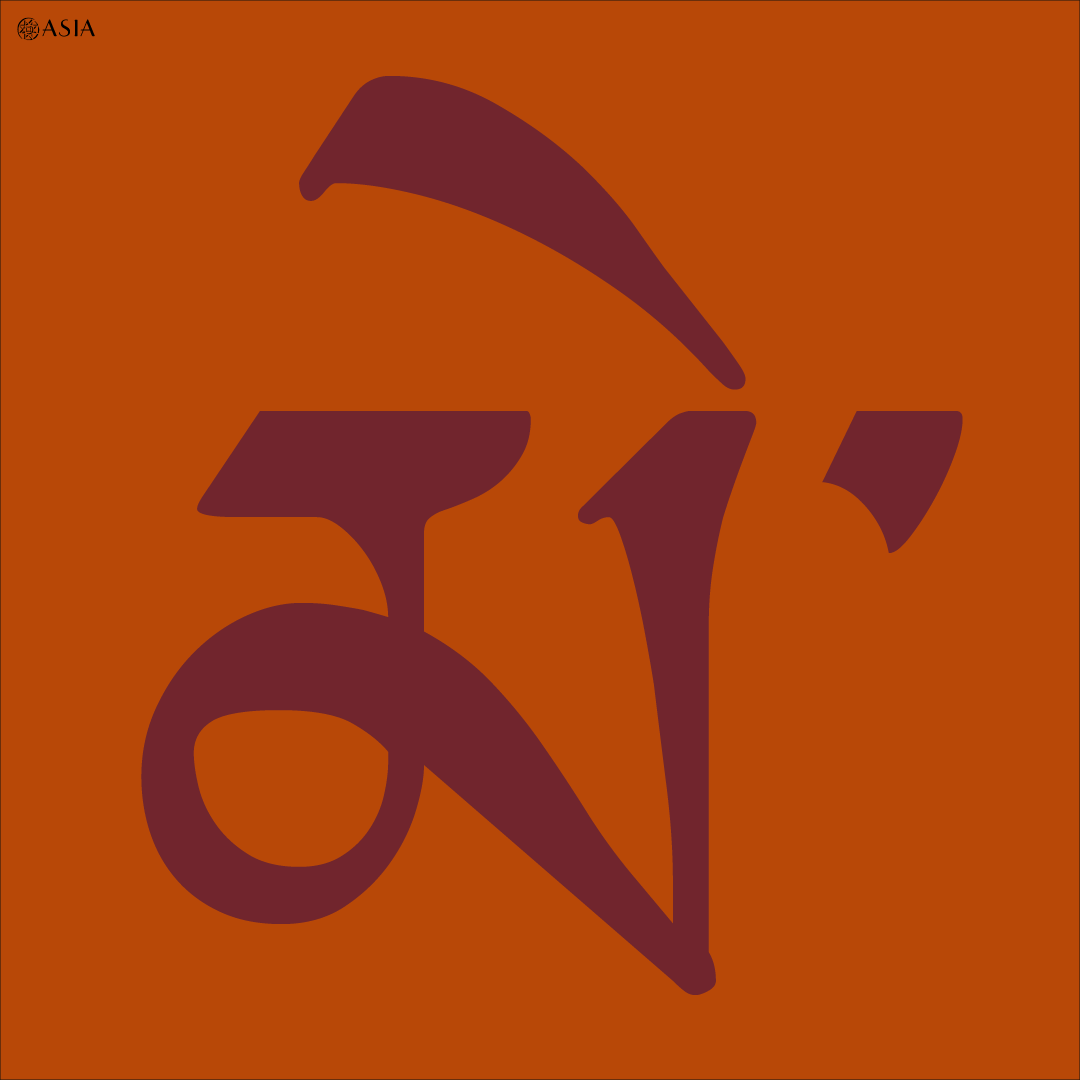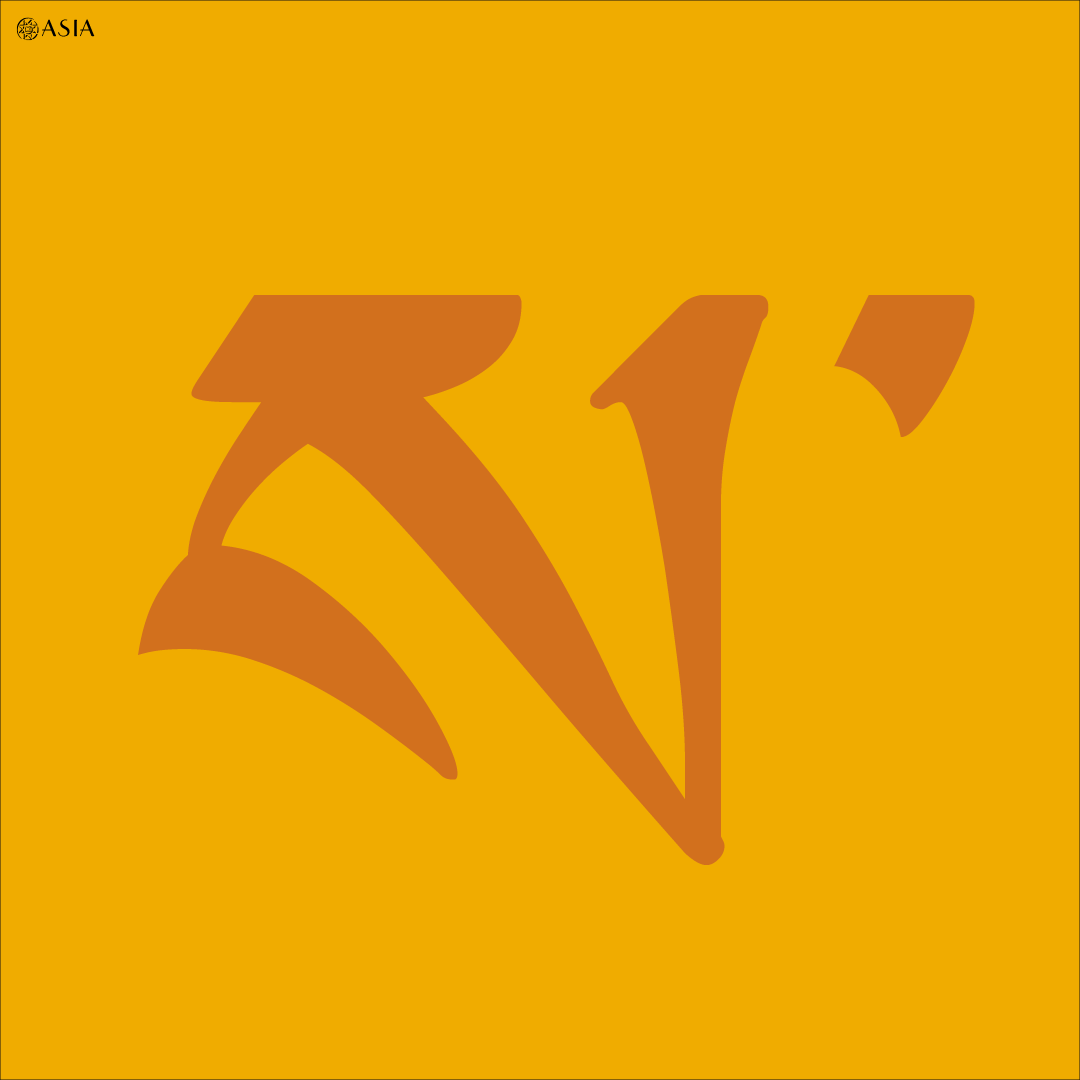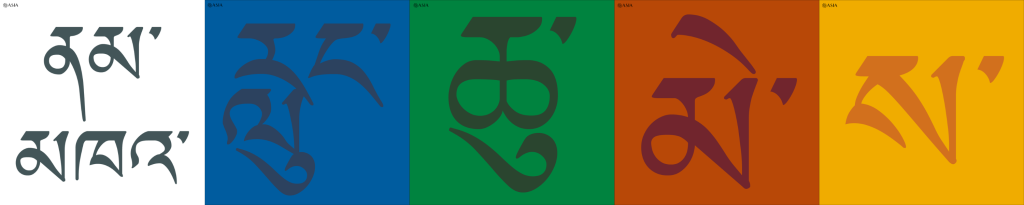
All through spring, until the arrival of summer, we explored the elements of Tibetan culture through the colours they are associated with in the column ELEMENTI A COLORI. Here is a recap of what we discovered together!
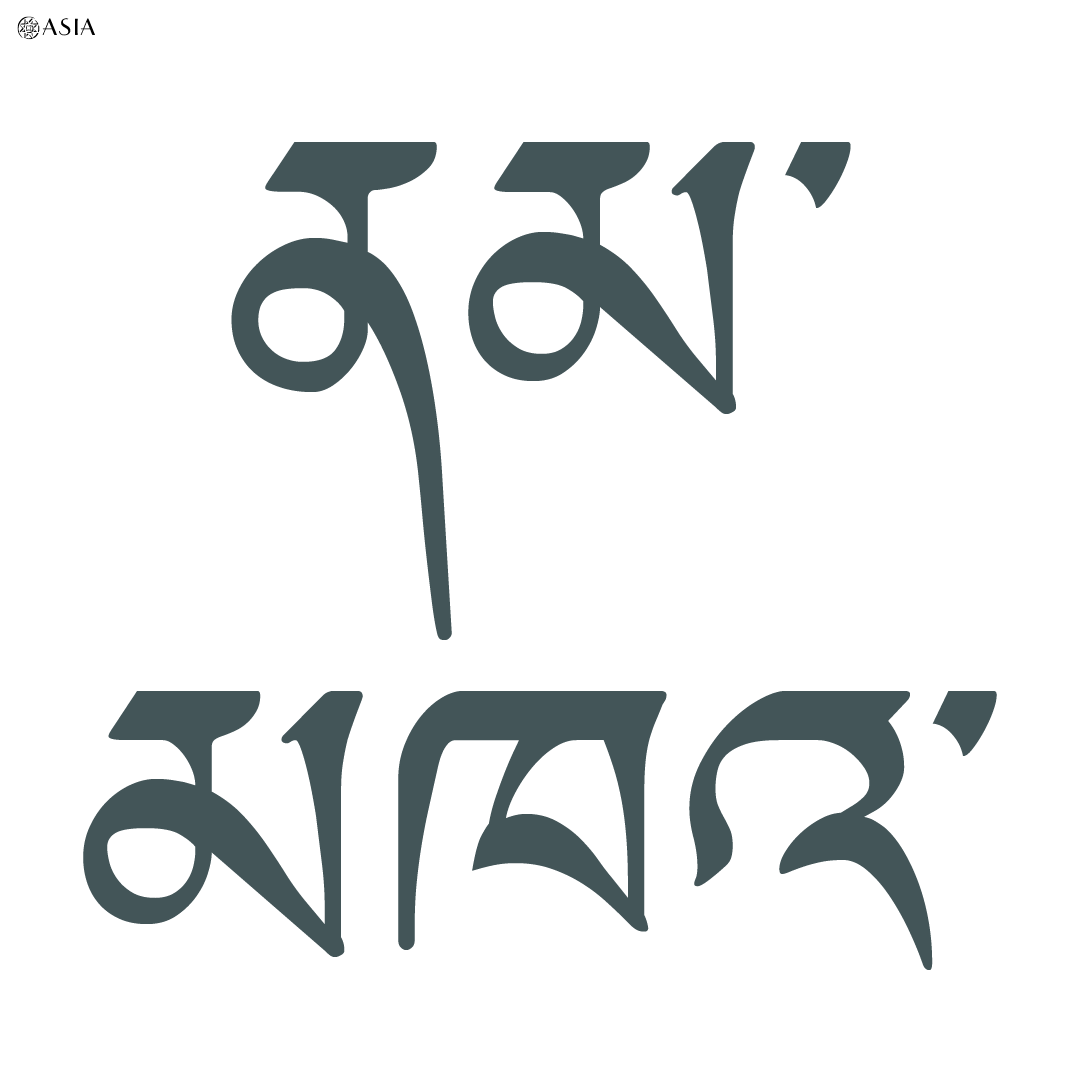
nam mkha’ – space
Nam mkha’ is associated with white, which symbolises purity, wisdom and kindness. White is the brightest and most achromatic colour (that is, without hues) and is given by the sum of the primary colours. Indeed nam mkha’ is the element that contains all the others, the most subtle and impalpable and at the same time luminous. It is the empty space in which the spectacle of the world takes place.
It is hard to grasp with the mind, perhaps a few metaphors can help. Imagine a bookcase: precisely because it is empty in itself, it can hold many books. Just as without the canvas or the white sheet painting would not be possible. Or think of the sky: it can seem filled with dark, dense clouds or with light, soft ones, it can appear cut by lightning and thunderbolts, but nothing actually changes it, it always remains imperturbable as the background and witness of atmospheric phenomena.
And similar to nam mkha’ is our consciousness, which takes on the colour of the experiences of the senses and of the mind, so it is not these experiences, but it welcomes and integrates them.
Rlung – the wind
Rlung, the wind, is associated with azure, a cold colour that at the same time gives peace. Just like the air: it can be freezing and sharp or light as a caress. Rlung is light, subtle and mobile; it is called the “charioteer” of consciousness, which is why it is the element that follows nam mkha’ (space, sky, consciousness). It is something more than wind: according to Tibetan medicine it is one of the three energies that regulate psychophysical balance, namely the vital breath (rlung), bile (mkhris pa), governed by fire, and phlegm (bad kan), governed by water.
Rlung is like a subtle flow of energy that, if too present in the body, can cause psychophysical discomfort linked to fear, anxiety, confusion and disorientation, nightmares and phobias. On the other hand, it helps the stomach to assimilate nutrients so as to let go of those we do not need. If it is present in the right amount it makes us feel calm and in harmony.
The azure symbolises communication through creativity, indeed the air in our body produces the voice: it cleanses the sense organs and the mind and is the sound expression of our energy.
Chu – water
It may seem strange, but chu, water, is associated with green, for two reasons. Both because in Tibet water is especially linked to lakes, which are green because of the vegetation on the bottom, and because chu is considered the mother of trees and plants, usually green.
The green stands at the centre between cold and warm colours, it is a symbol of balance and harmony. Chu is in fact par excellence the epitome of the constant search for balance, as it is changeable, variable and adaptable. It also stands at the centre of the other elements: space and wind before, and fire and earth after.
Just as green represents nature and regeneration, so does chu: it is water that gives life, that makes the earth fertile and purifies, that washes away what is not necessary and renews.
Usually, every morning Tibetans offer seven bowls filled with water, called yon chab, to the Buddha, to a deity or to a master on the home altar. chu is one of the most precious things one can offer, because it does not flaunt its own wealth, on the contrary it shows humility and respect.
Me – fire
Me, fire, is associated with red, which is by definition the colour of energy and vitality. Me has a creative and destructive power: if well channelled by the wind (rlung) it can turn into a joyful and compassionate energy, otherwise, if the wind is in excess, it brings agitation, instability and conflict. It is the fire that dispels ignorance, doubt and confusion.
According to Tibetan medicine, it is one of the three energies that regulate psychophysical balance, namely bile (mkhris pa), governed by fire, the vital breath (rlung), governed by wind, and phlegm (bad kan), governed by water. Fire resides in five places in our body:
 intestine, where it manifests as digestive fire
liver, where it transforms the colour of nutrients into the red of blood and gives colour to the organs
heart, where it brings to light its own intelligence, self-awareness, and fulfils its desires
Sa – the earth
Sa, the earth, is associated with yellow, the colour of strength, energy, support and will.Mountains, trees, rocks and the ground represent the strength and stability of nature. At the same time, sa is present in our bodies: it is the solidity of muscles and bones thanks to which we move through the world.
Sa is the primary resource in the composition of our bodies. Although all the elements dwell in space (nam kha’), sa is our dwelling on this Earth, it is the material and concrete aspect that allows us to be in this world. Indeed in the chromatic scale yellow occupies the place immediately after white which, as we have seen, is associated with space.
When the earth element is well balanced in us, we feel safe and grounded in our daily activities. Otherwise, an excess of sa generates heaviness and blocks, the body becomes tense and compressed.
The colour yellow radiates life. In the same way, sa is eternally creative, generous as a mother, since it is the base from which everything blossoms and grows. Sa is nourishment, of the body and of the psyche.