
News & Media
Mongolia - Diary of a field worker / Day 3
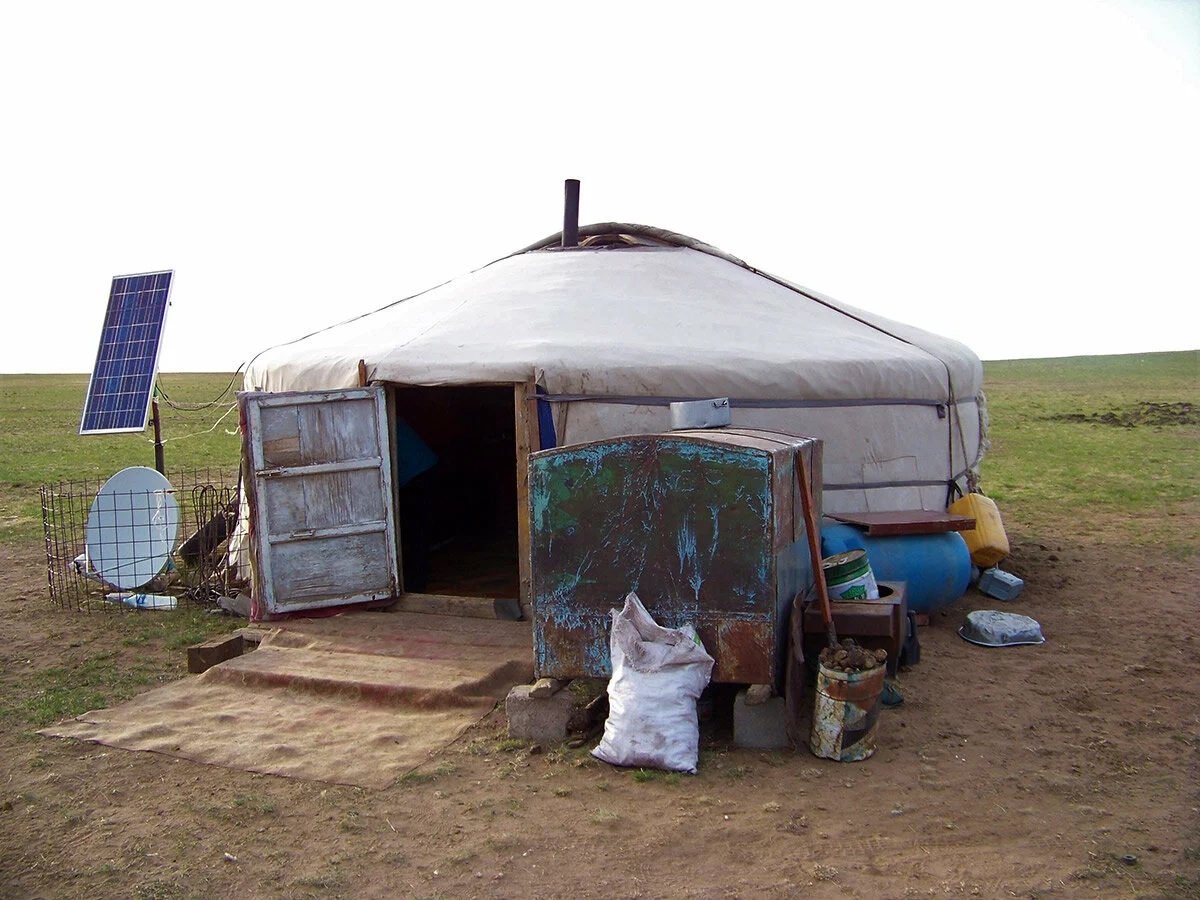
In Mongolia ASIA is carrying out a project with Mongolian veterinarians to counter the various diseases affecting livestock and a methodology suited to dzud resilience. ASIA's Project Manager is Anna, a 35-year-old veterinarian who has been in Mongolia since the start of the project and, through her account, describes what happens in the field.
Day 3
T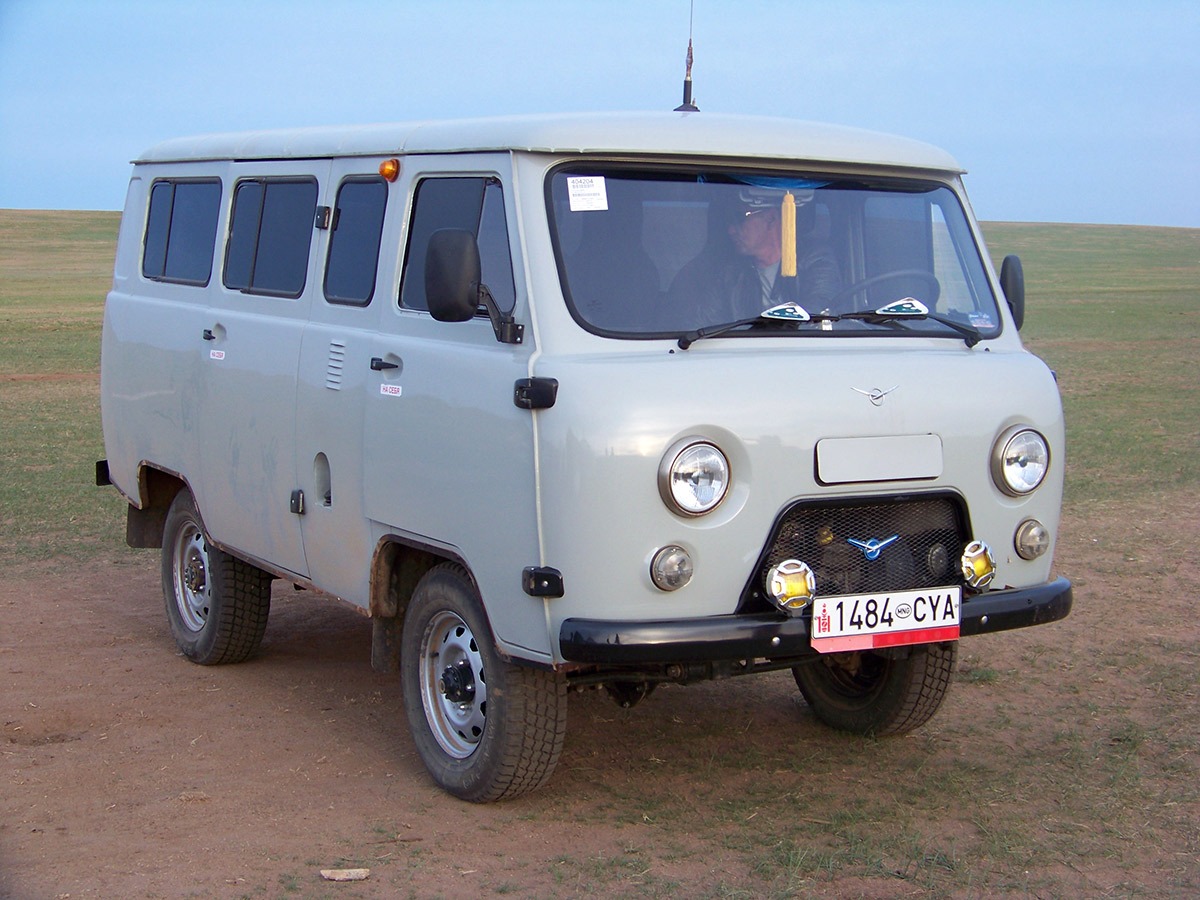 oday we visit two districts of the province, Asgat and Khalzan, to talk directly with local veterinarians. With the Russian van placed at our disposal by the Agriculture Department, our partner in the project, we begin to breathe that smell of dust typical of when you drive along dirt tracks that are
 more or less worn.
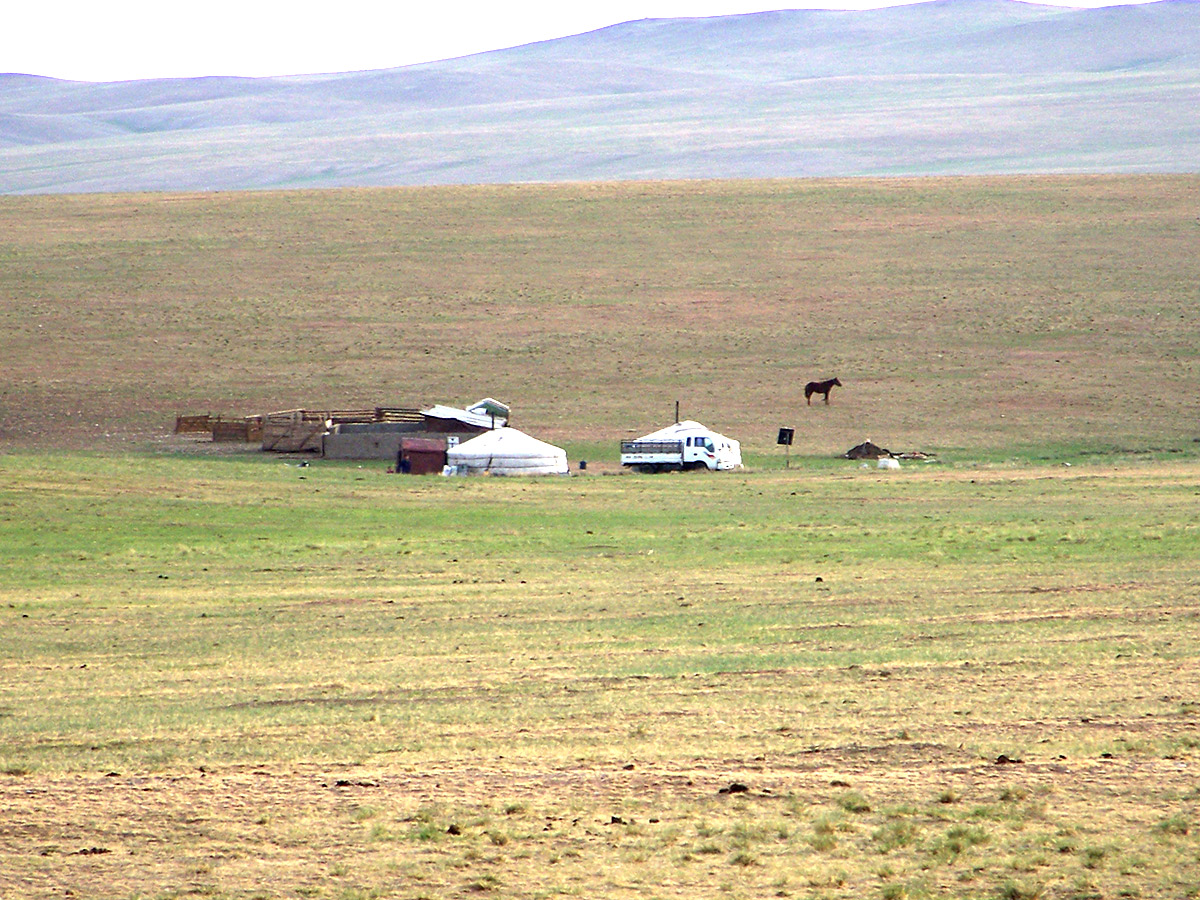
As we move south-east the steppe becomes slightly greener. But the flocks still seem too large for a land that does not seem able to feed them all. It may sound trivial but the feeling these landscapes give is immense, complete freedom. The mare galloping fast, followed by the legs of her foal struggling to keep up with her, then stopping suddenly without having reached anything, seems to do it for pure delight, without a reason: is this not freedom?
A mong the houses with coloured roofs of the district capitals stand out the gers, the traditional dwellings, surrounded by fences: the first step towards building a house, the first step for those who decide to stop and abandon the nomadic life of Mongolian herders. And among the roofs stands out that of the dormitory of the Asgat primary school.
We visit it because ASIA has received from the Director a request to take part in some works that the students’ residence urgently needs: the budget for the construction was small and what could be done was done, but the poor-quality construction is giving way from several points of view, besides being undersized compared to the number of families applying for their children. It is not easy for a nomadic herding family to manage to send their children to school every day, unless they entrust them to the school or to a relative living in the town.
On the road we stop at the gers of two herders, one with cattle, goats and sheep, the other with horses. I am enchanted by the beauty of those faces, marked by wind and sun, of those lean, muscular bodies of people who are always on the move, their rough hands. My hands: “They have never pulled water up from a well”.
I would like to discuss their work at greater length but, so fascinated by everything around me, the questions slip from my mind. I explain the third and final activity of the project, a booklet to raise awareness among herders about the good practices to follow when the most frequent diseases in the province appear, and I ask for advice on what they would most need to have illustrated in the publication.
But it is already getting dark and the road back to Baruun-Urt is still long, our driver for the day seems to remind us, getting up from the sofa once he has finished his cup of suutei tsai (milk tea).
Pubblicato il
14/06/2018