News & Media
Myanmar between conflicts and anthropogenic-natural disasters
An ongoing humanitarian crisis
by Alessandro Zito, Desk South East Asia and Mongolia, ASIA ETS
Myanmar is facing one of the most serious humanitarian crises of its recent history, characterized by an ongoing armed conflict and by anthropogenic-natural disasters that worsen the conditions of the population. The combination of these factors has led to an emergency situation that requires urgent responses from the International Community.
The armed conflict and political instability
Since the beginning of the military coup in February 2021, Myanmar has plunged into a vortex of violence and political instability. The overthrow of the democratically elected government triggered mass protests, followed by a brutal repression by the military junta. The People's Defense Forces (PDF) and armed ethnic groups have intensified the resistance against the regime, giving rise to a widespread conflict that affects vast areas of the country.
This de facto civil war has caused thousands of casualties and has forced millions of people to move internally (IDPs – Internally Displaced Persons) or to seek refuge in other countries. The violence has made access to humanitarian aid difficult, preventing the distribution of food, drinking water and medical supplies in the most affected regions.
From the data of the United Nations a disastrous scenario emerges: over 5,350 deaths among civilians, more than 3.5 million internally displaced persons, about 18.6 million people in need of humanitarian assistance and a widespread impoverishment. Inflation has caused the cost of basic foodstuffs to increase by 50% in a single year. About 13.3 million people live in conditions of food insecurity. Due to malnutrition and undernourishment, almost a quarter of children under 5 suffer from stunted growth. According to the 2024 Conflict Index of ACLED, Myanmar is the second most violent country in the world.
Anthropogenic-natural disasters and climate change
Besides the conflict, Myanmar is also highly vulnerable to anthropogenic-natural disasters, such as cyclones, typhoons, floods, landslides and earthquakes. The geographical position of the country and the poor infrastructural resilience aggravate the effects of these extreme weather events.
Two of the most dramatic recent examples were Cyclone Mocha in 2023 and Typhoon Yagi in 2024, which caused large-scale devastation in the coastal regions and inland areas of Myanmar, leaving hundreds of thousands of people without a home or means of subsistence. Such events have compromised the water systems, leaving many communities without access to safe water sources and contributing to fueling outbreaks of waterborne diseases, such as cholera.
Moreover, the ongoing illegal deforestation and the ineffective management of natural resources have increased the risk of landslides and desertification, putting already fragile rural communities to a hard test.
Cities suffer from serious environmental problems, including air and water pollution, aggravated by the lack of effective environmental regulations. Population growth and uncontrolled urban expansion have led to the destruction of crucial ecosystems, increasing the vulnerability of the country to climate change.
Humanitarian consequences and challenges for reconstruction
The combination of war and natural catastrophes has led to an unprecedented humanitarian crisis. Besides the loss of human lives and the destruction of strategic infrastructures, millions of people find themselves in conditions of food insecurity and without access to essential services.
The reconstruction process is hampered by several factors, including:
- Persistent conflict: the presence of fighting makes the reconstruction of roads, bridges and destroyed dwellings difficult;
- Lack of funding: the international sanctions and the economic crisis limit the resources available for emergency interventions;
- Corruption and bureaucratic inefficiency: they hamper the management of humanitarian aid and slow down development projects;
- Vulnerability to future disasters: the lack of resilient infrastructures means that the affected communities risk suffering further damage in case of new extreme weather events.
The role of the International Community
Faced with this crisis, a decisive intervention of the International Community is essential. Humanitarian organizations, agencies of the United Nations and NGOs like ASIA are trying to provide emergency aid, but the restrictions imposed by the military junta make the distribution of aid difficult in many areas of the country.
Urgent measures are therefore needed to:
- Ensure humanitarian access to the affected areas through diplomatic negotiations and international pressure;
- Provide economic and technical assistance for the reconstruction of infrastructures resilient to climate change;
- Support the displaced population through resettlement programs and access to primary services;
Promote political stability to put an end to the conflict and to allow a transition towards a democratic government.
Conclusions
Myanmar is facing an unprecedented crisis, with the conflict and the anthropogenic-natural disasters that overlap and aggravate the hardships of the population. Without a coordinated international intervention and without a political solution to the conflict, millions of people will continue to suffer. The International Community has the responsibility to act immediately to prevent a further deterioration of the situation and to support the resilience of the affected communities.
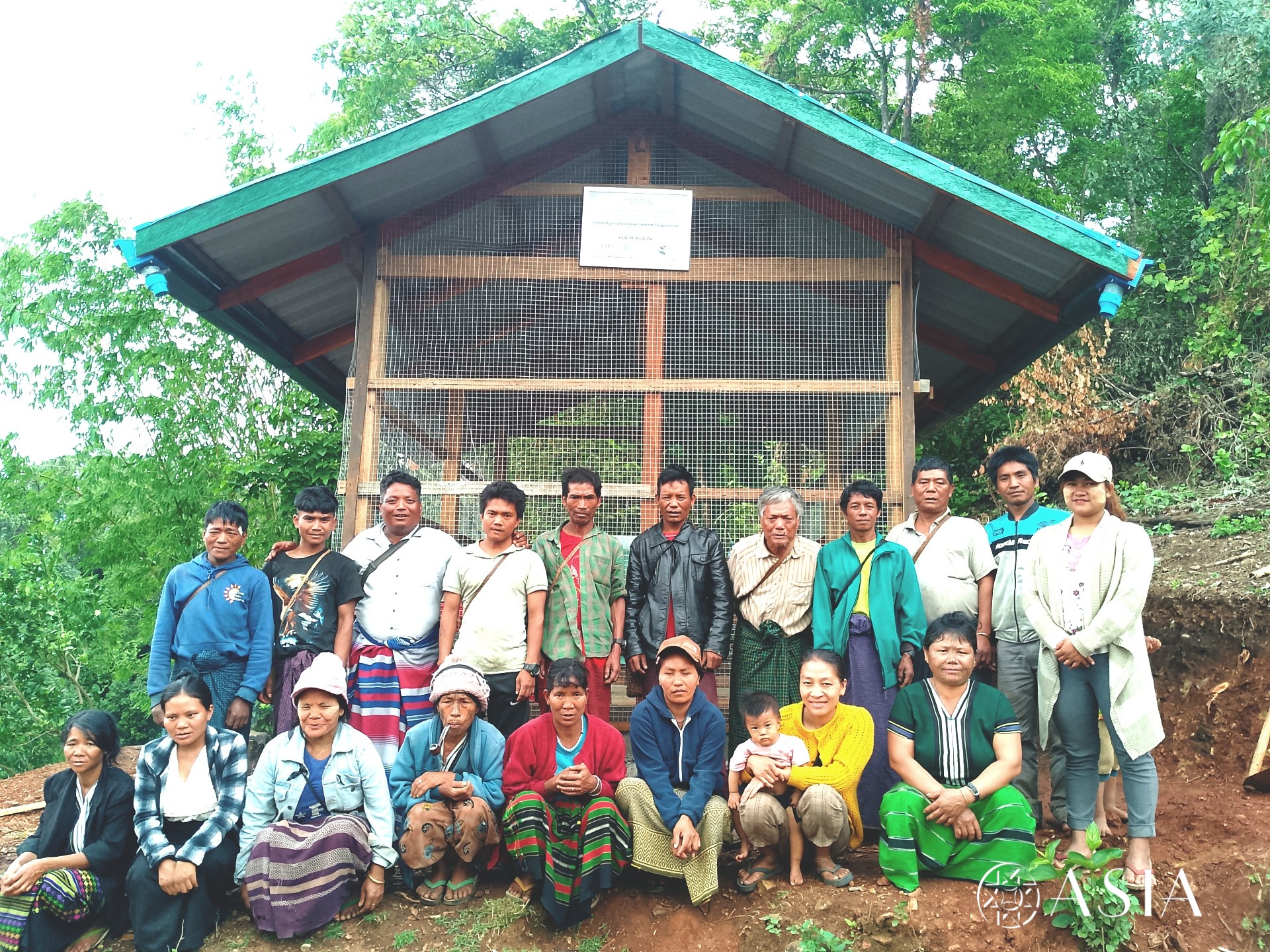
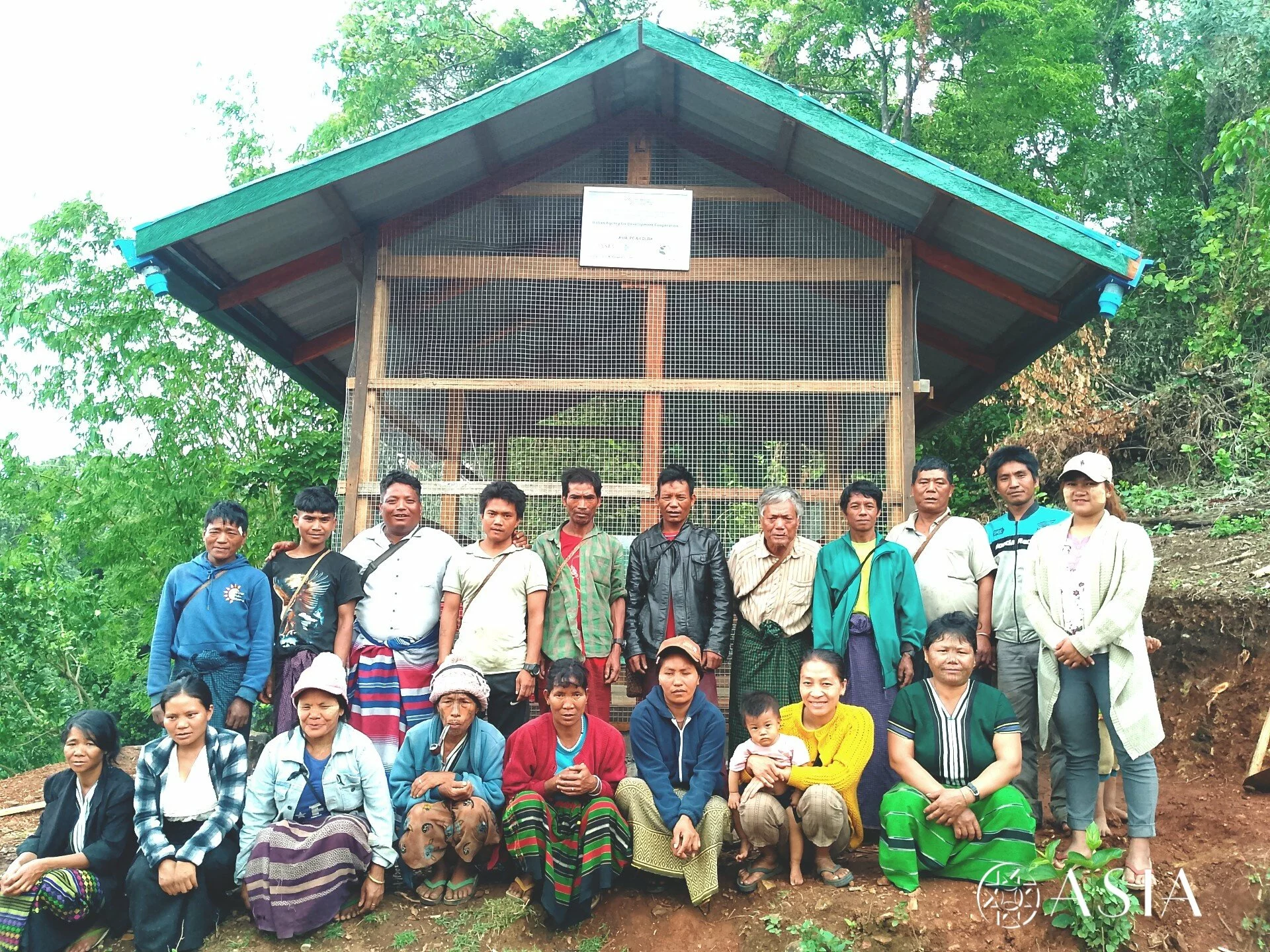
In this sense, and despite the complexity of such a situation, ASIA for several years has continued to support the most vulnerable communities of the country, operating in respect of the principles of neutrality and independence through rapid response actions to emergencies and interventions aimed at promoting sustainable agriculture practices and guaranteeing food security for the population.
Pubblicato il
25/02/2025