News & Media
Why documenting Bhutan's floral biodiversity can change the life of an entire region?
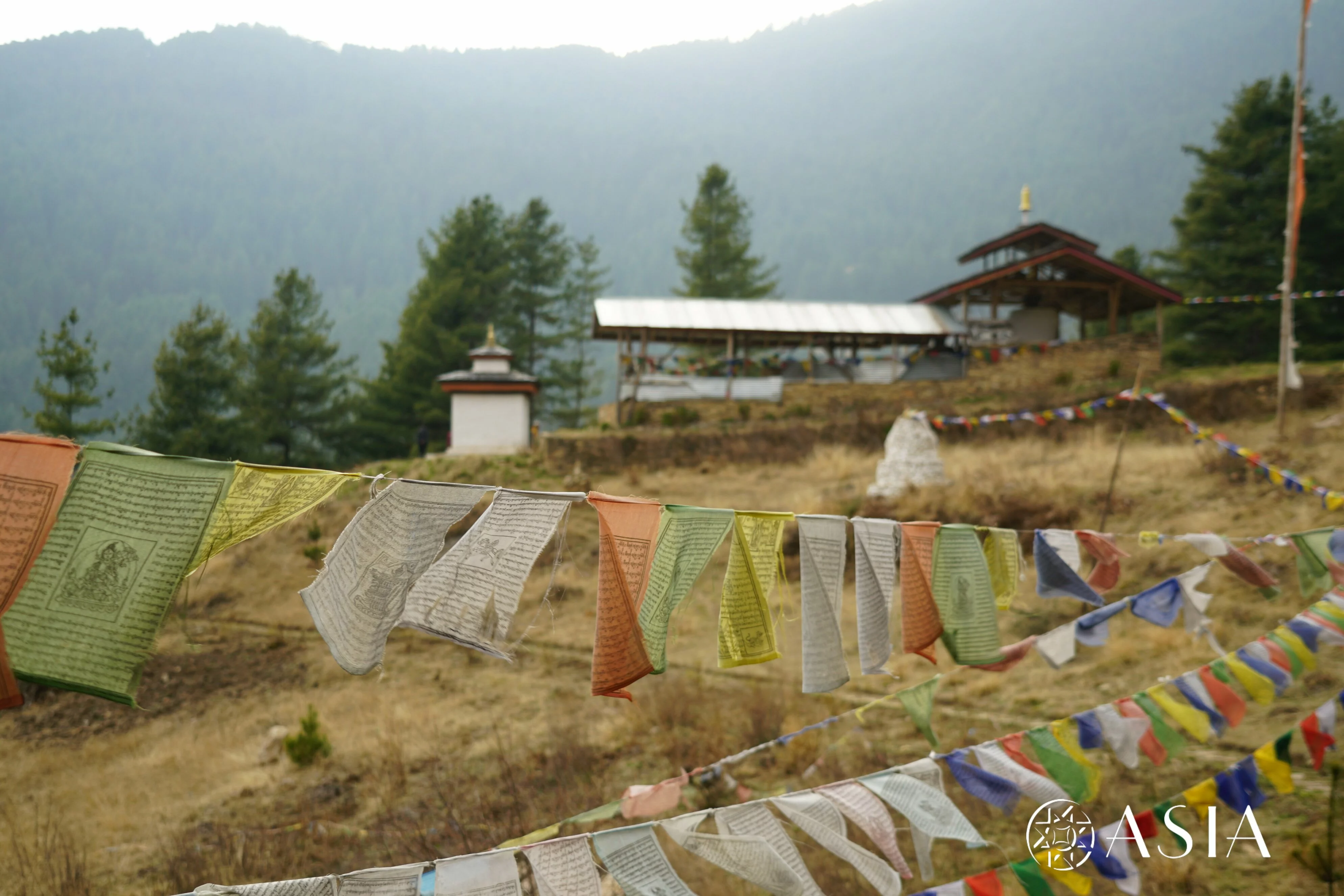
In the Bumthang district in Bhutan, the project “Nyo Heritage Eco Cultural Trail” – funded by the Autonomous Province of Bolzano and developed by ASIA in partnership with the Druk Nyo Foundation of Bhutan – aims to protect the natural and cultural heritage of the local communities of Bhutan, while at the same time promoting new economic and social opportunities. One of the activities within the project is the documentation of the floral biodiversity along a 70 km trail that has been restored to become an eco-cultural trail.
The documentation activity
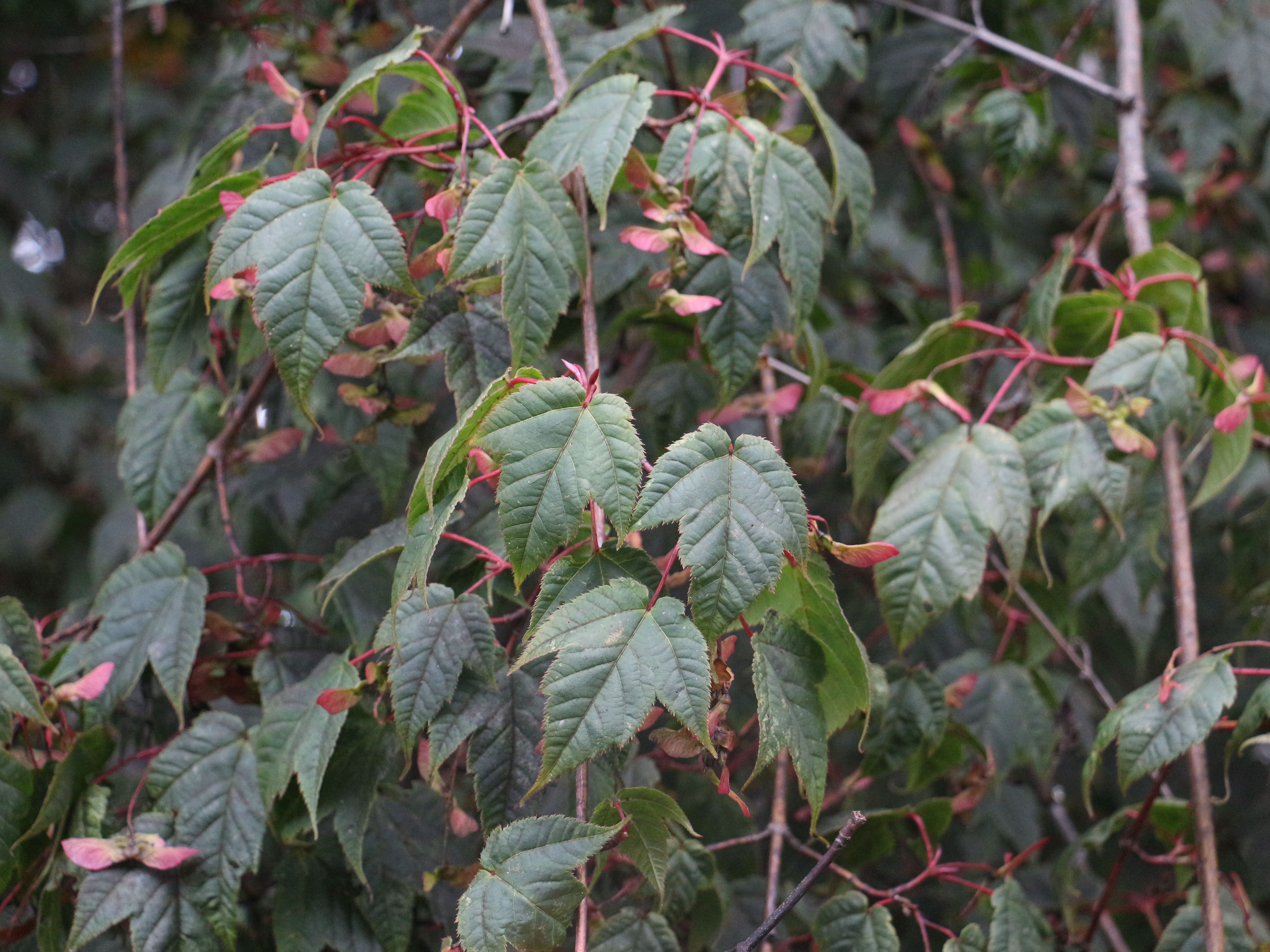
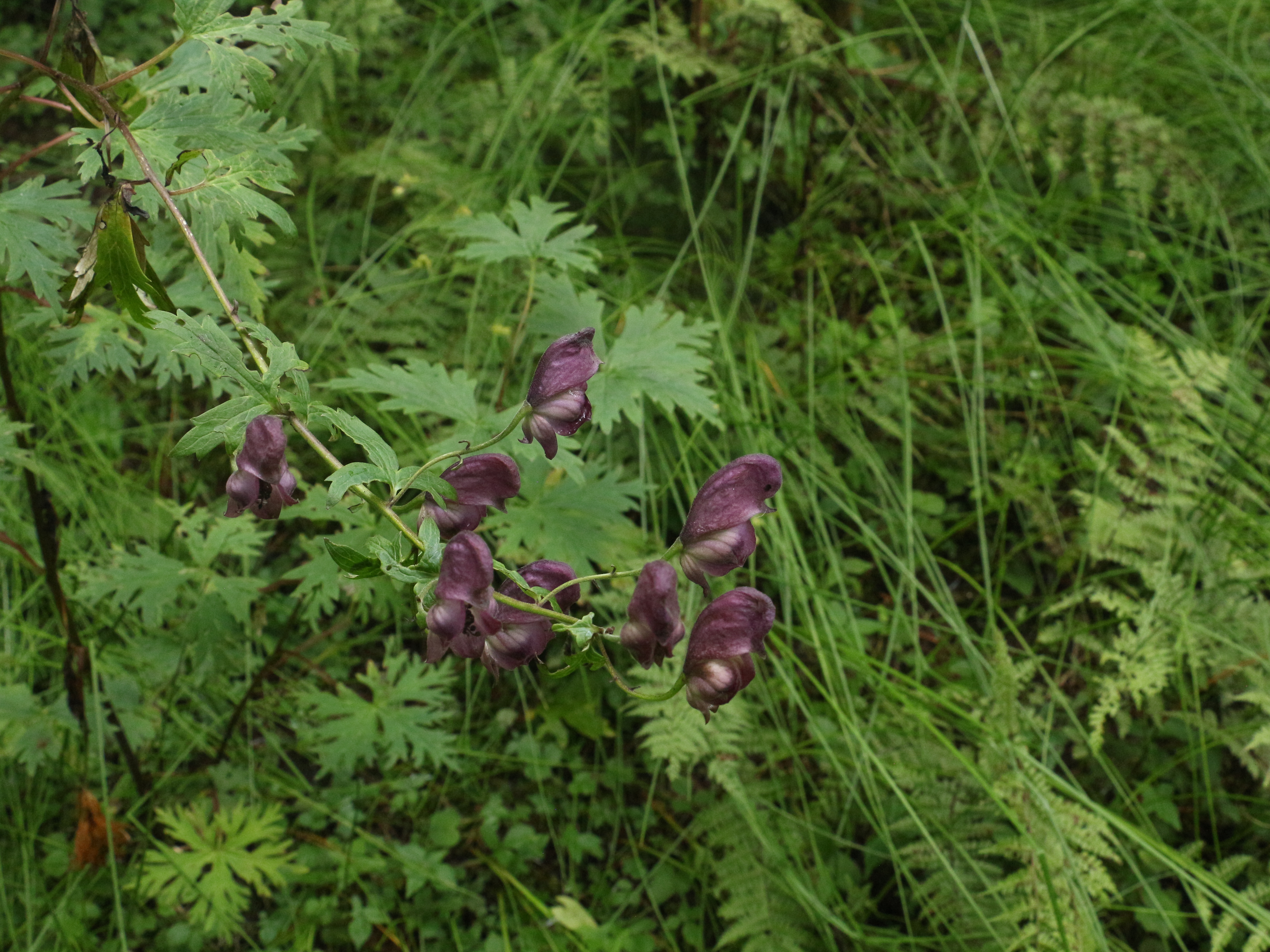
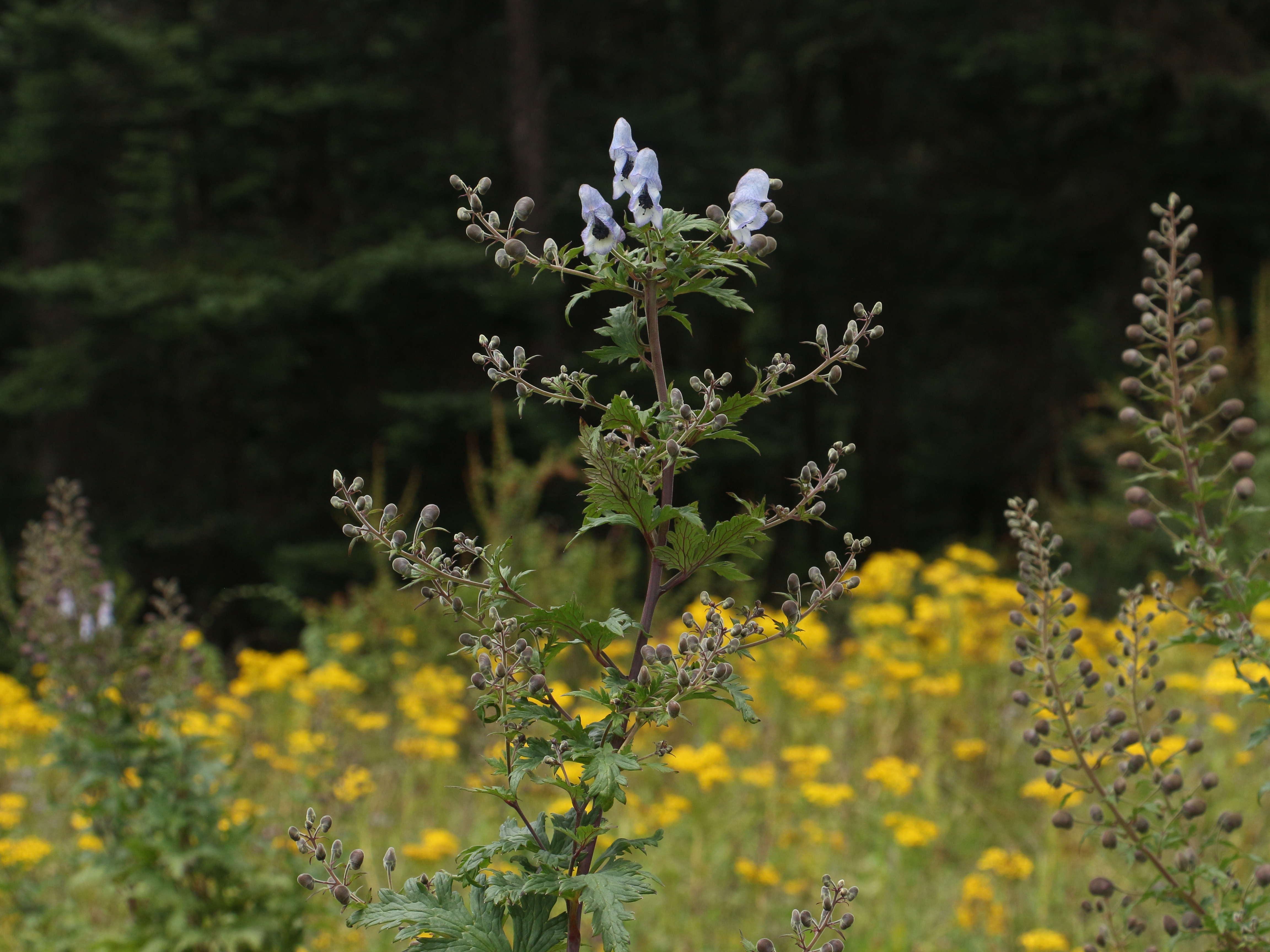
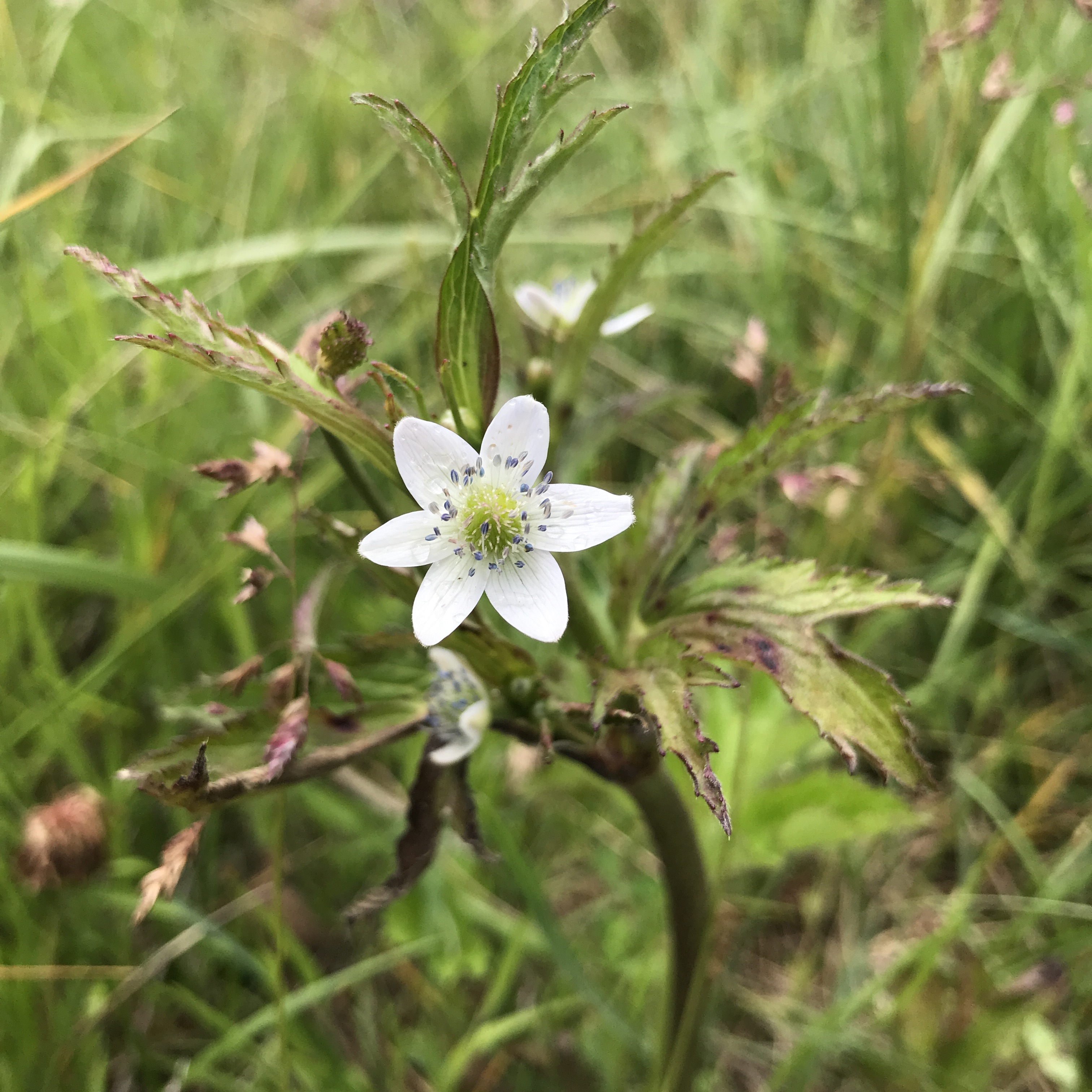
The documentation of the flora along the Nyo Heritage Eco Cultural Trail was carried out by the Druk Nyo Foundation, in collaboration with the experts of the Phrumsengla National Park, and with the support of a local guide. The main objective was the census of the plant species present within three metres of the trail, and their consequent identification with scientific names and local names (such as the Urap dialect). This cataloguing work, carried out over a stretch of about 8 km, led to the identification of 115 different species, including trees, shrubs, orchids, ferns and herbs.
During the process the researchers used online sources, such as the Biodiversity Portal of Bhutan and the eFlora of China, and a wide range of printed materials, including photographic guides and botanical manuals specific to the flora of Bhutan. During the cataloguing, the team also collected a substantial photographic documentation for each species, thus contributing to the creation of an visual archive of great scientific and cultural value.
The importance of the activity
This initiative is an integral part of the specific objectives of the project “Nyo Heritage Eco Cultural Trail”. The cataloguing of the rare plants visible along the trail is fundamental to raise awareness among the local communities and visitors about the importance of environmental conservation. The biodiversity of Bhutan is among the richest in the world and represents a heritage to be preserved for the future generations.
Moreover, the census of the plant species helps to strengthen the eco-sustainable tourism, a key element of the project. The marking of the rare plants and the dedicated descriptive signs of the sites of natural and cultural interest, which will be positioned along the route, offer visitors an enriched experience and stimulate greater awareness of the importance of the nature and the local culture of the territories being visited.
Which Sustainable Development Goals does the project support?
The extended title of the project contains in itself a first answer to this question: “Nyo Heritage Eco Cultural Trail: a trail for the conservation of the natural and cultural heritage and to ensure the economic and social development of the communities of the three valleys of the counties of Choekhor, Tang and Ura in the Bumthang district in Bhutan”.
The project aims to improve the living conditions of the communities of the three valleys involved and to promote a sustainable management of the territory. The enhancement of the natural and cultural heritage, combined with an inclusive approach that involves the local communities, makes the “Nyo Heritage Eco Cultural Trail” an integrated and replicable development model.
The project includes a series of activities, in addition to the collection and cataloguing of the plant species along the La Nangpa Trail, among these we recall:
- The restoration of 70 km of route destined to become an eco-cultural trail
- The restoration of eight historical monuments
- The training of 45 young people (of whom at least 50% women) as tour guides and managers of refreshment points
- The installation of information panels to raise awareness among visitors and local communities.
- The creation of refreshment and rest points along the route to improve the trekkers' experience and support the communities with new economic opportunities
These activities are strictly aligned and aimed at achieving the Sustainable Development Goals. In particular the following goals:
- SDG 15: “Life on Land”, through the protection of biodiversity and terrestrial ecosystems.
- SDG 12: “Responsible Consumption and Production”, promoting sustainable tourism.
- SDG 8: “Decent Work and Economic Growth”, creating new job opportunities in the eco-tourism sector for the local communities.
Walking between tradition and sustainability
Il “Nyo Heritage Eco Cultural Trail” is much more than a simple trail: it is a bridge between past and future, nature and culture, conservation and development. Through the collaboration between local communities, experts and international partners, the project demonstrates how it is possible to create an lasting positive impact while respecting the environment and enhancing the traditions. This path not only protects a precious heritage, but also builds a sustainable vision that unites generations and inspires a new way of living and appreciating the world.


Pubblicato il
17/12/2024