What we do
Nepal. The only school of traditional medicine
Countries
Fields of intervention
- Opening date: September 2020
- Closing date: April 2023
WHERE
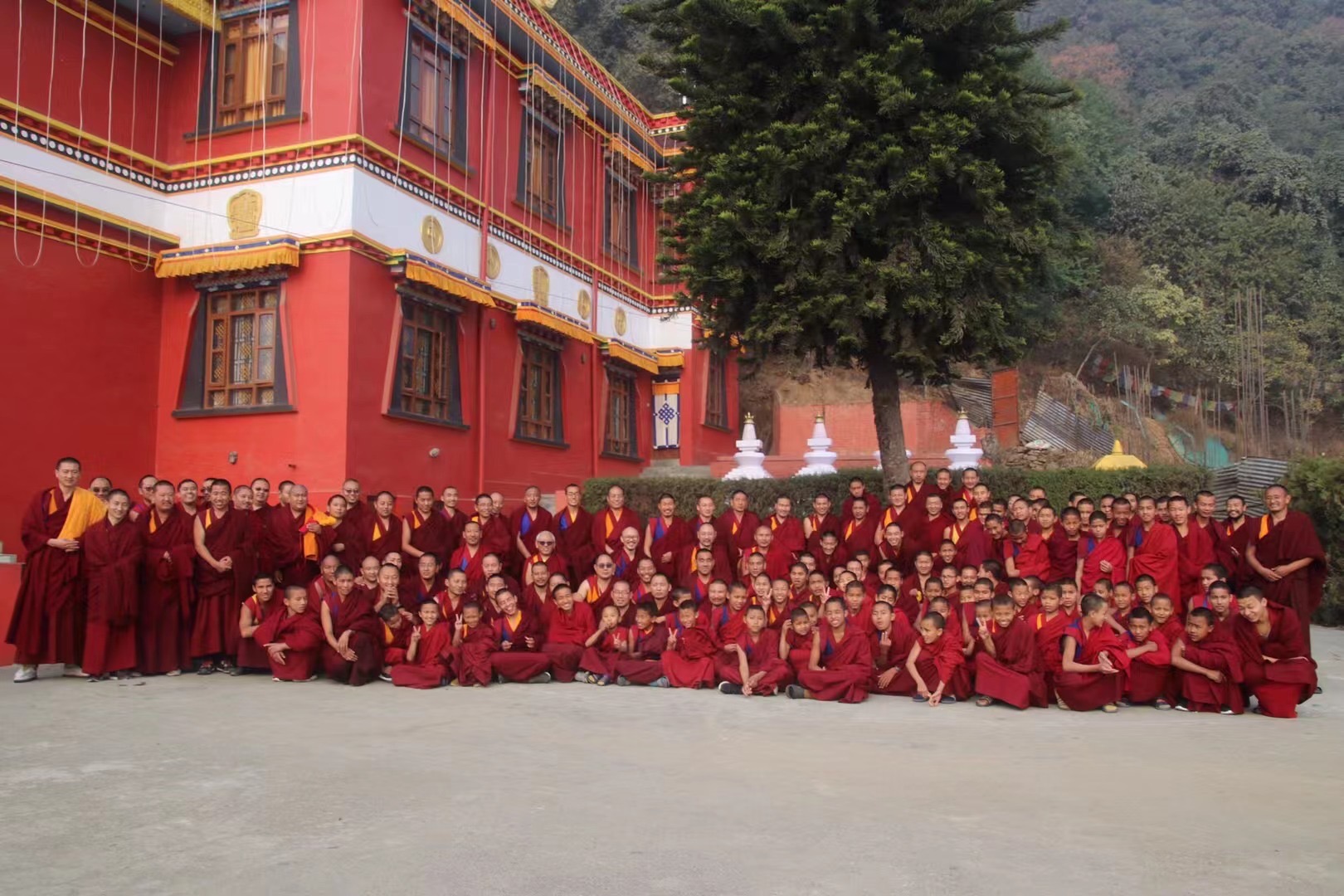
Triten Norbutse Bönpo Monastery, Kathmandu, Nepal
CONTEXT
Traditional Tibetan medicine has proven to be a highly effective system with no side effects, beneficial for many types of illness including influenza and viruses such as COVID-19. It is also a form of medicine accessible to the poorest segments of Nepal's population. This ancient medical tradition is rooted in Bön culture, which predates the arrival of Buddhism in Tibet and Nepal by several centuries. It is a complete traditional medical system, based on complex diagnoses and grounded in recognised textual sources. Following diagnosis, the Tibetan physician (Amchi) recommends the abandonment of harmful behaviours and prescribes appropriate, health-supporting nutrition. Remedies are primarily composed of medicinal plants with healing properties and minerals, while physical therapies include acupuncture and moxibustion.
The medical school in Kathmandu is the first medical school outside Tibet to teach the complete Bön Bumshi medical system, and in doing so will maintain and preserve this unique medical tradition. The training programme is open to all those interested in becoming an Amchi physician — in particular young Tibetans in exile and young Nepalis who share an interest in Tibetan culture and the healing arts, and who come from remote areas of Nepal, specifically the districts of Dhorpatan, Dolpo and Mustang. The school aims to offer these young people a viable professional pathway.
OBJECTIVES
General objective To establish a traditional Tibetan medical school at the Triten Norbutse Bönpo Monastery, improving primary healthcare in remote areas of Nepal through the training of qualified Himalayan traditional physicians.
Specific objectives
- To create learning opportunities by building facilities for traditional medical education and capacity development for students and traditional practitioners from the Himalayan region.
- To enable the poorest rural populations of Nepal to access adequate healthcare.
- To preserve traditional Tibetan culture and foster intercultural exchange between Western and traditional medicine.
ACTIVITIES
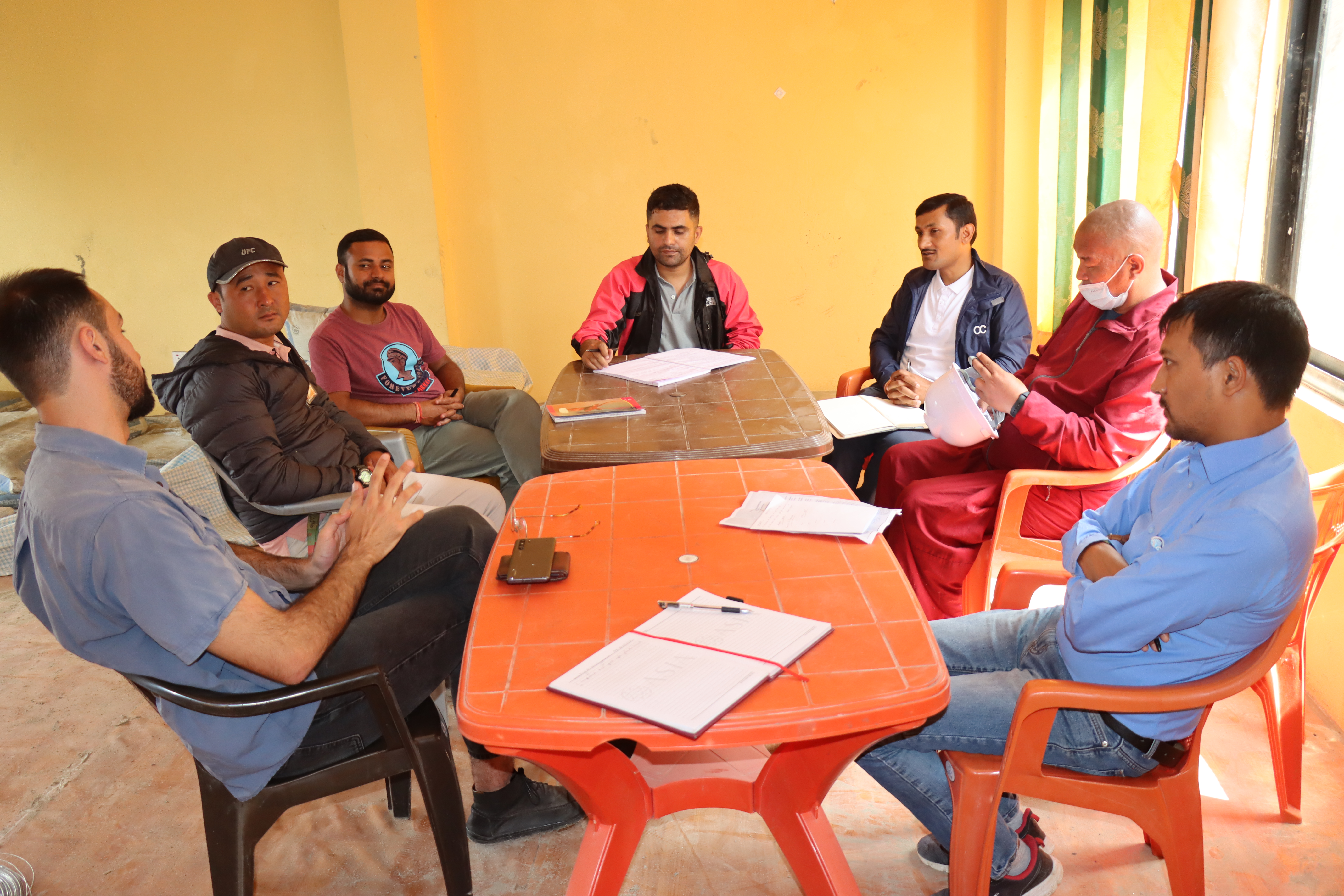
- Finalisation of designs and cost estimates with local contractors
- Selection of bids and contractors
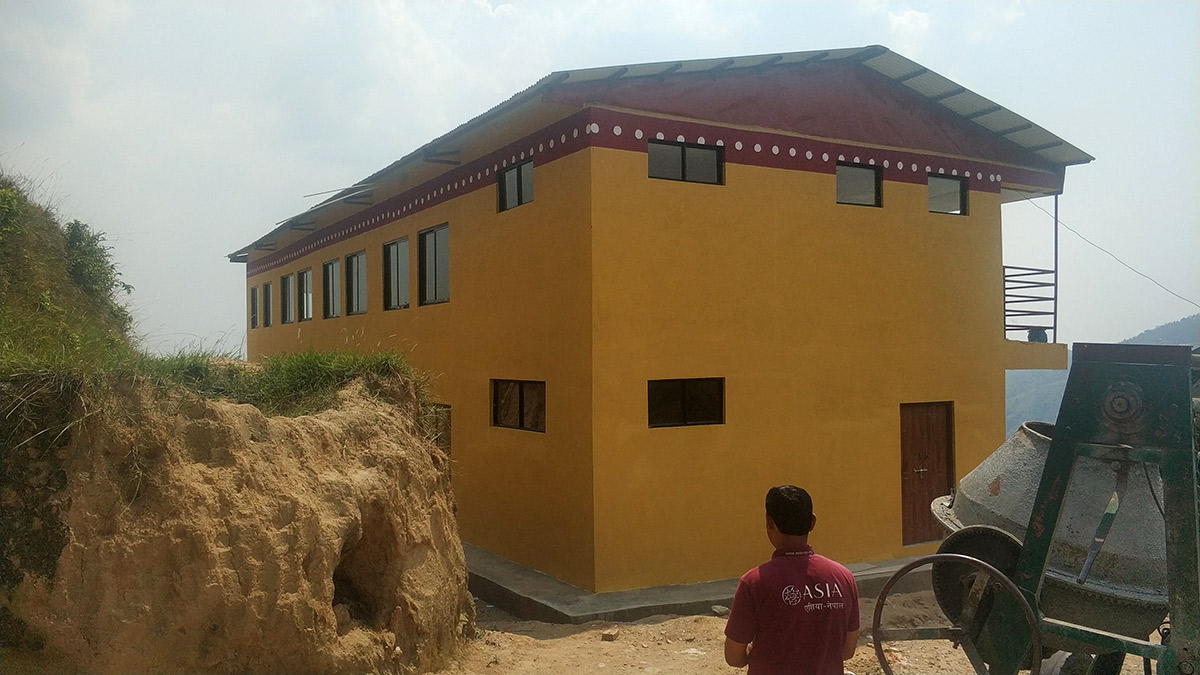
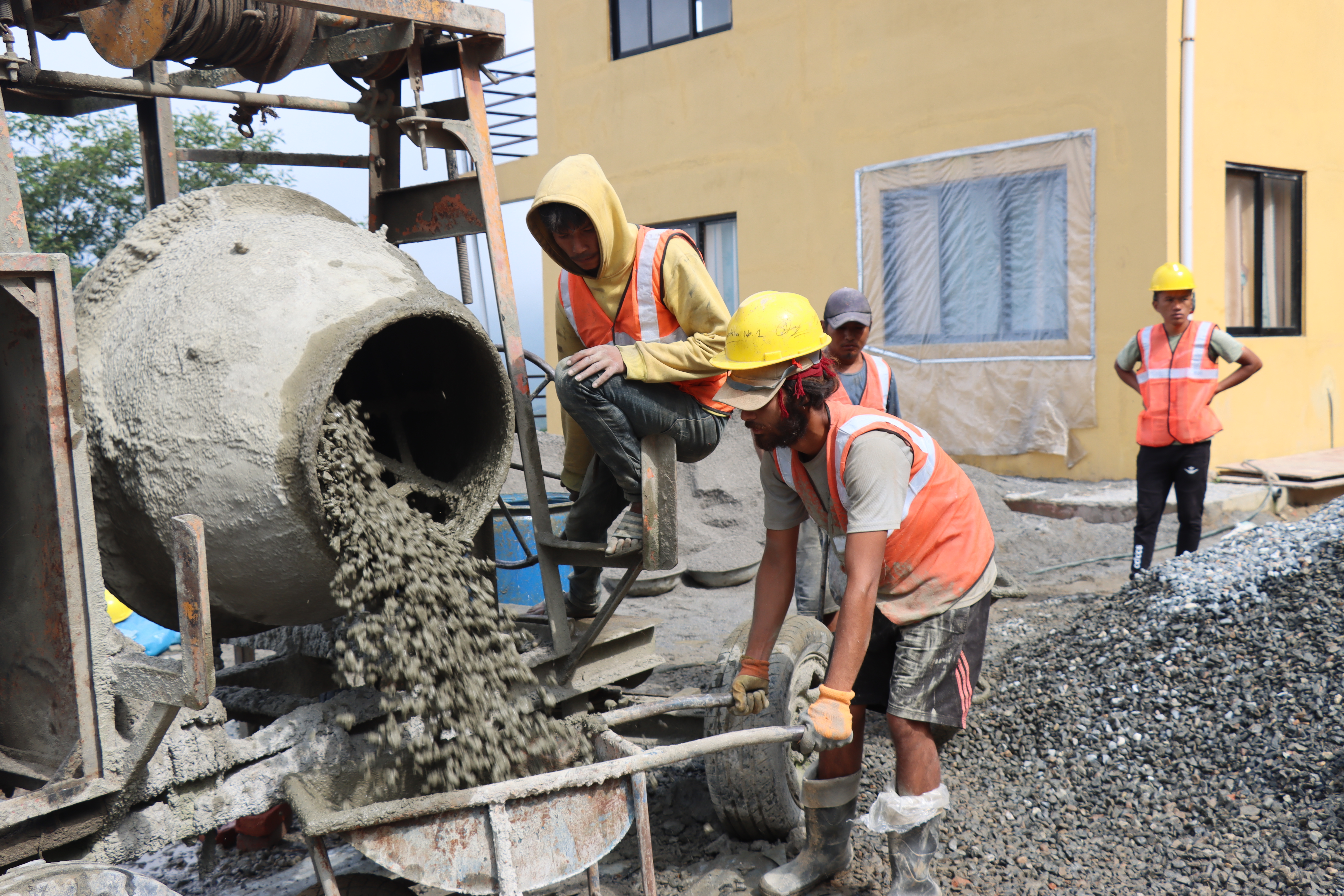
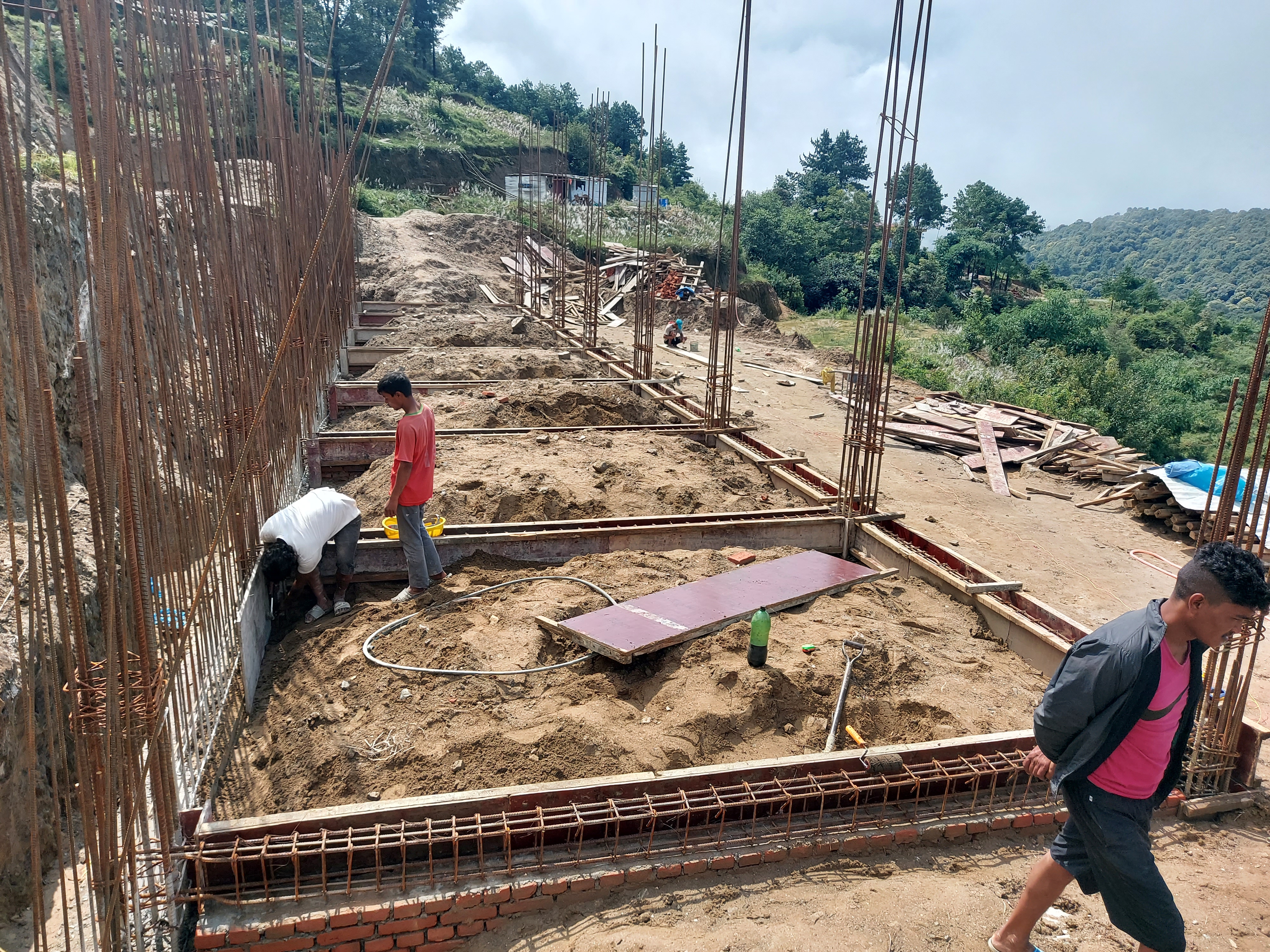
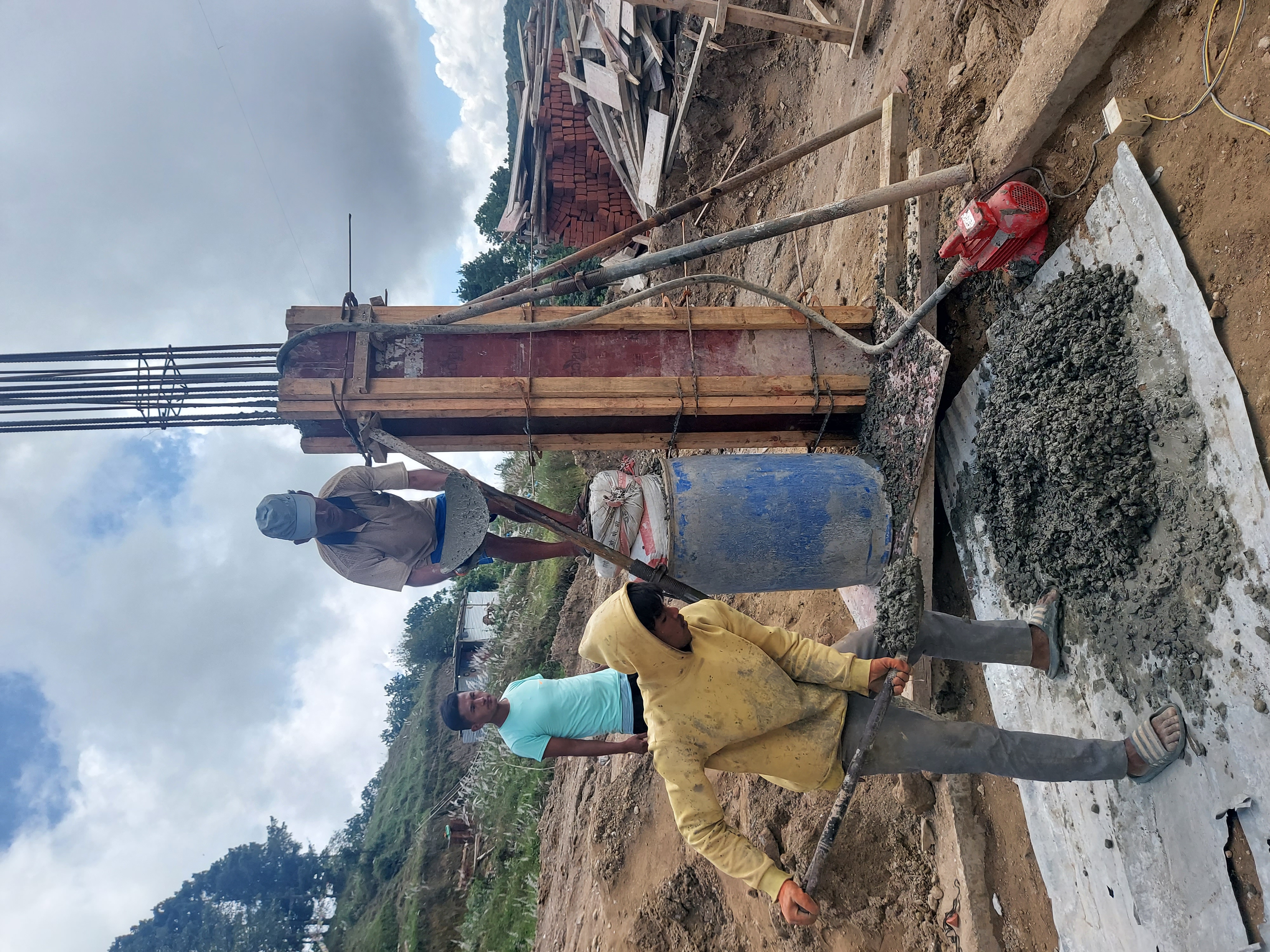
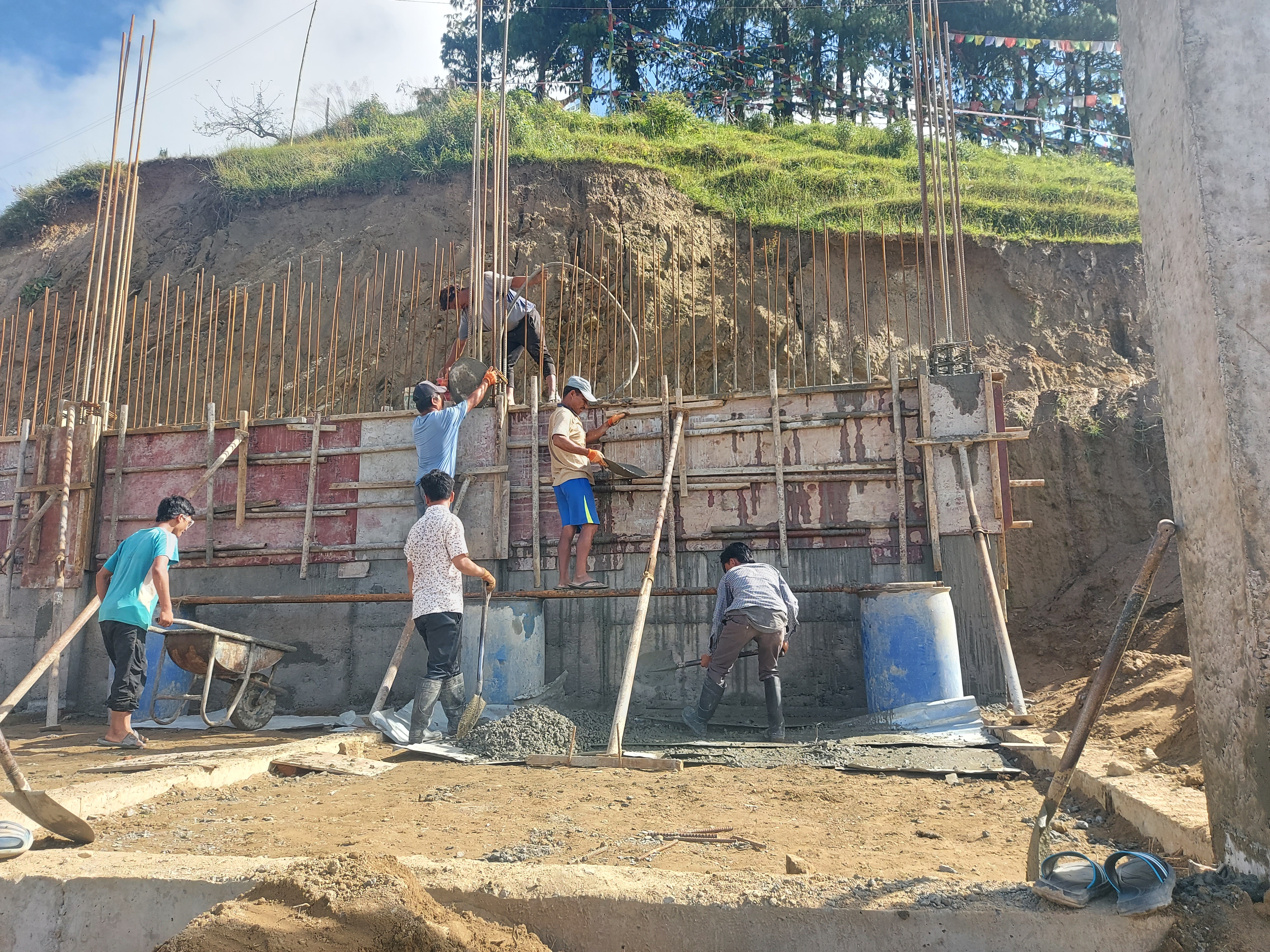
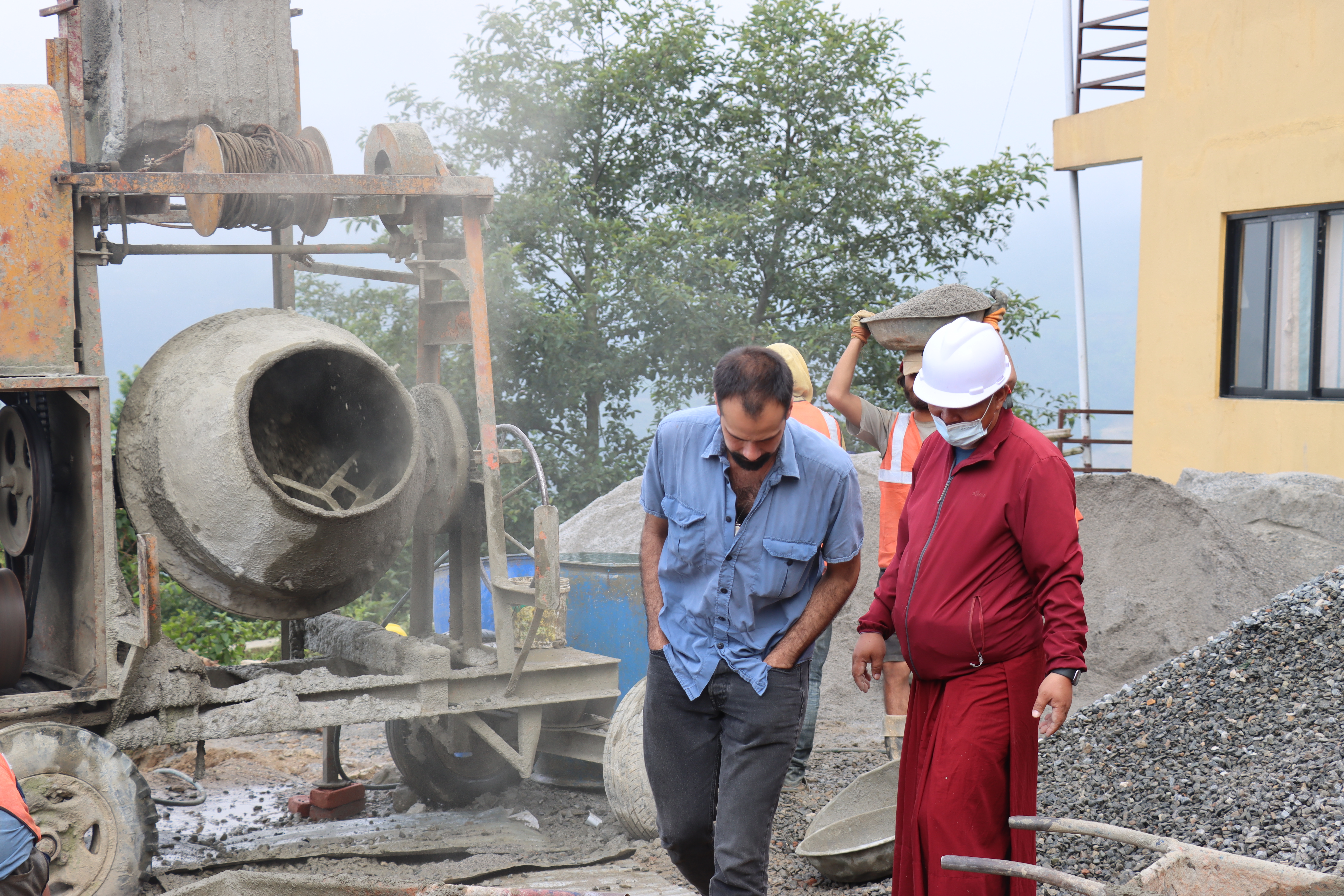
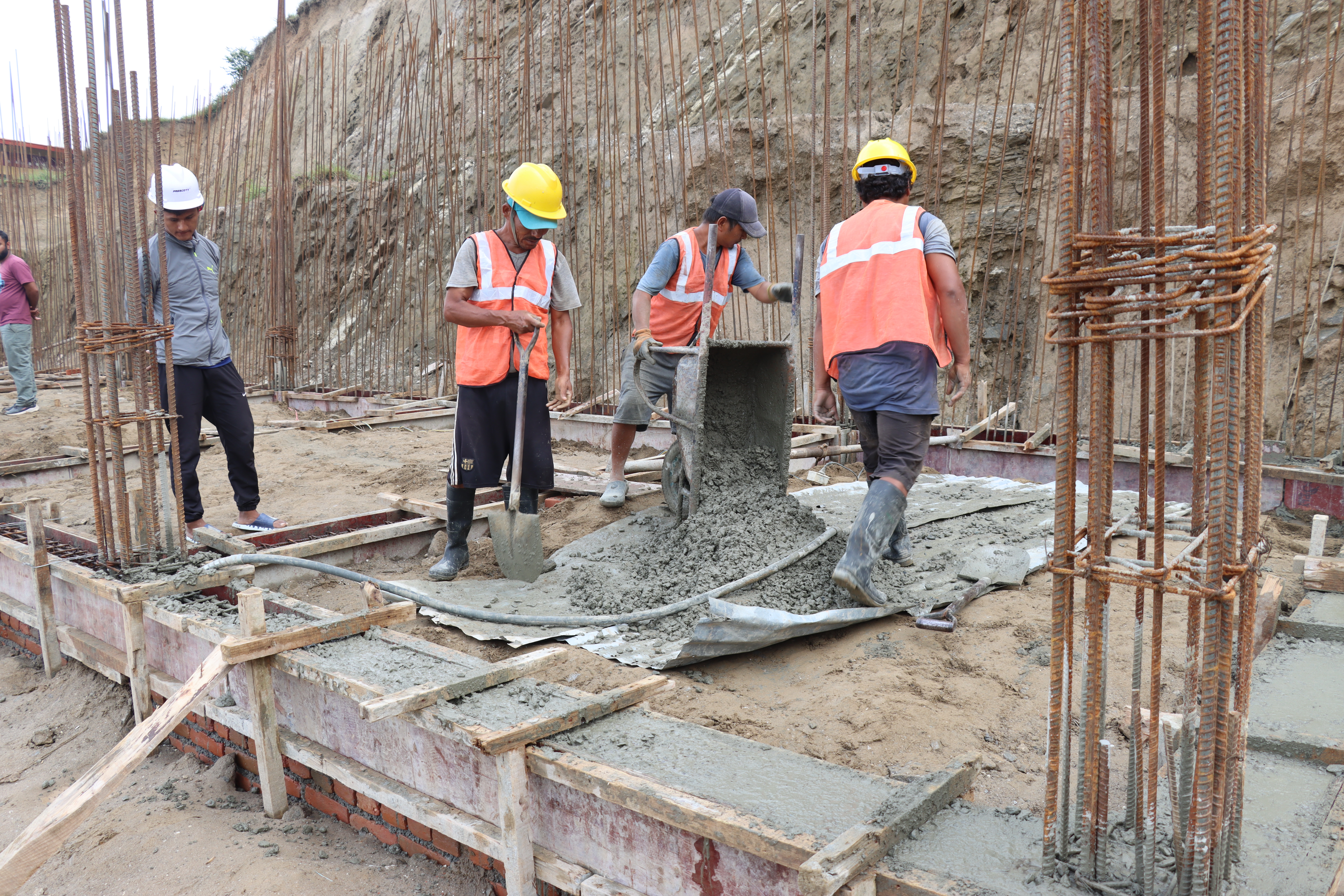
- Construction of the building
- Structural approval by the government during and after completion of the building
- Handover of the building
Workshop promoting traditional Tibetan medicine
RESULTS
A complete building for the traditional medical school block has been completed. Courses have been activated in the new traditional medical school. Intercultural dialogue between Western and Eastern medicine has been promoted.
The project is divided into three phases. ASIA's intervention has covered the terracing of the area where the dormitories have been built, where the canteen is currently under construction, and where construction of the school building will begin.
BENEFICIARIES
Direct: 32 families of students and teachers at the traditional medical school, for a total of approximately 150 people.
Indirect: approximately 6,250 people from the communities of Swayambhunath in Kathmandu and Lapsephedi, and the rural populations of Humla, Dolpo, Mustang and Solukhumbu.
PARTNER
Triten Norbutse Institution