What we do
To help Mongolian shepherds face the harsh effects of dzud
Countries
Fields of intervention
- Opening date: September 2016
- Duration: 16 mesi
- Closing date: January 2017
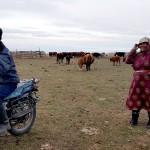
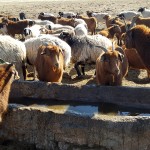
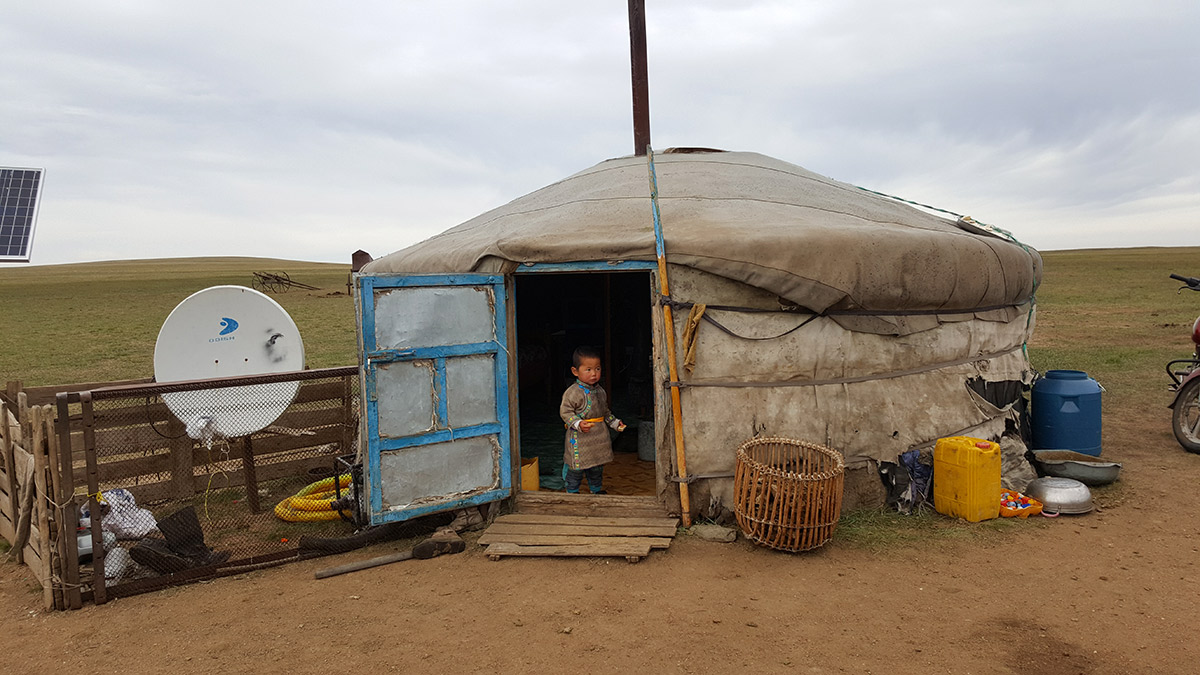
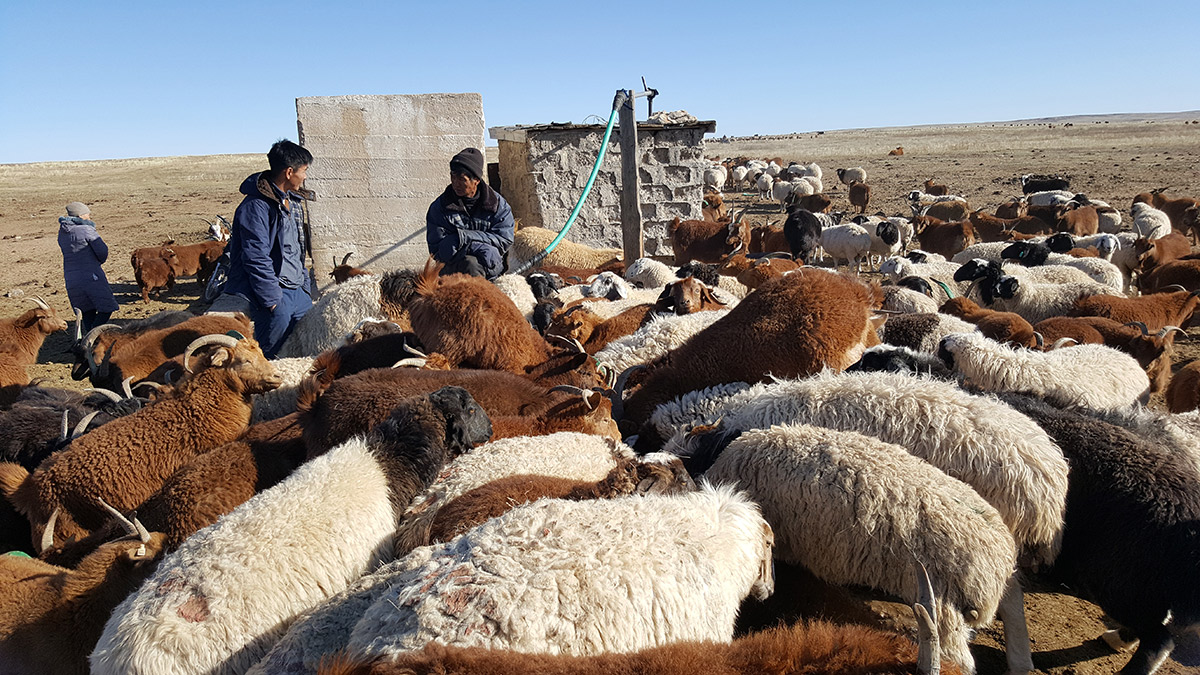
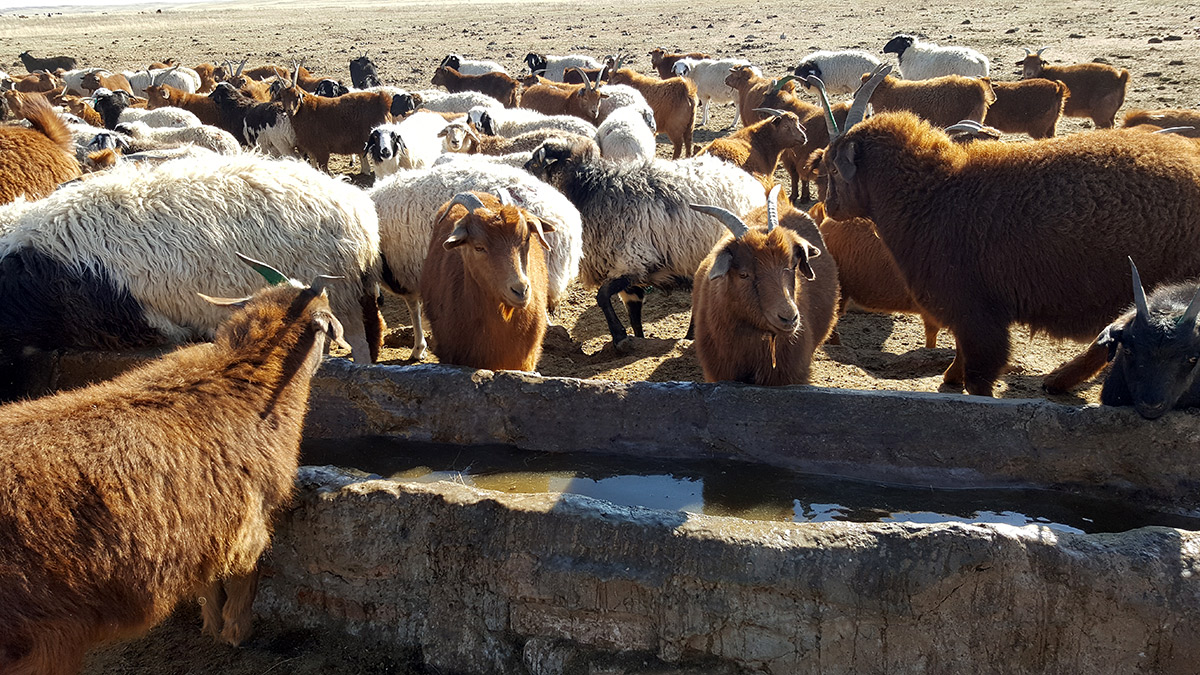
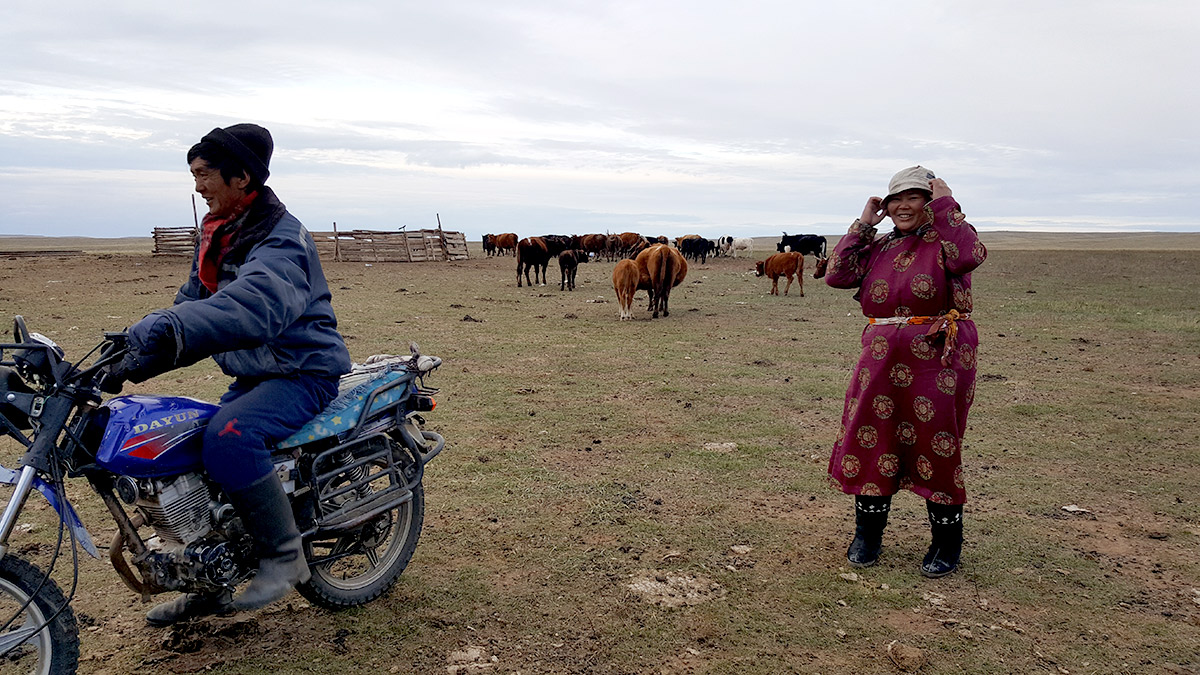
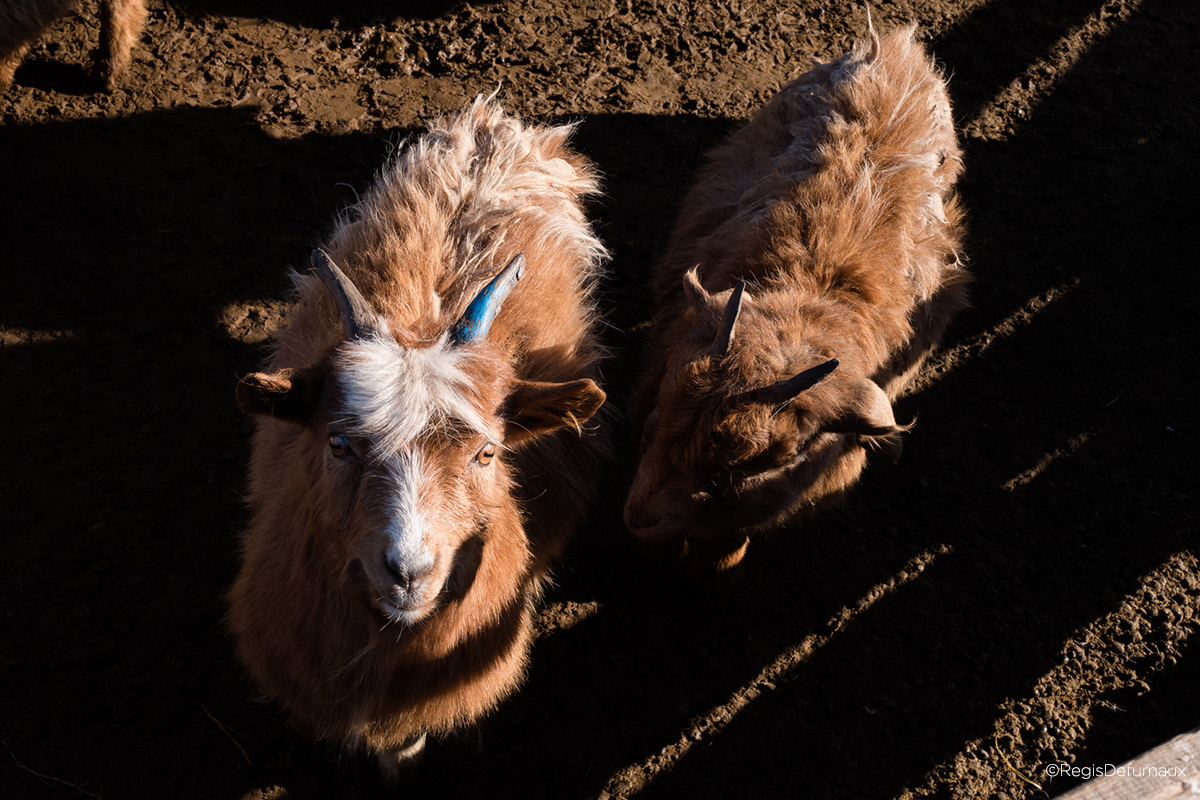
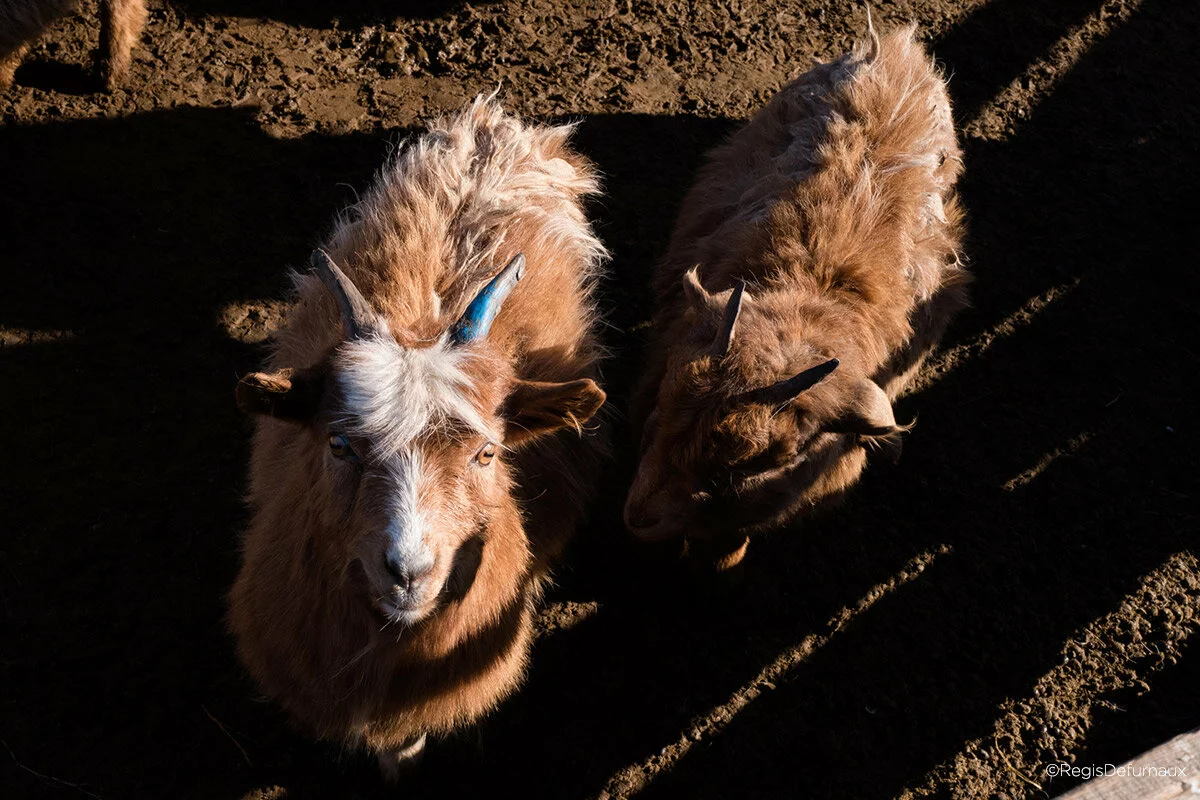
Mongolia has 3 million inhabitants and 70 million head of livestock – 70 million is also the total population of Italy. 3,000 Mongolian people live on pastoral farming, while another thousand indirectly benefits from that. People breed sheep, cashmere goats and horses, and usually nomadic shepherds change grazing lands four times a year, following seasonal changes.
Dzud is a Mongolian term for the period between January and March, when temperatures are very low. Due to climate change, dzud has progressively worsened, and temperatures can now reach -50° C. Risks are usually higher in March, when animals give birth and there is obviously an increased level of livestock deaths among both mothers and newly-born – in fact, around 1.600.000 animals died in 2016.
Many shepherds don’t have adequate barns, and livestock therefore dies from the cold. Shepherds, whose only incomes come from livestock, try to face this situation by underselling them to slaughterhouses, but the price for meat consequently decreases and shepherds run up debts. About 47% of the Mongolian shepherds are caught into this vicious circle. To make things worse, cashmere goat shepherds over-exploit the grazing lands, impoverishing them and not allowing their renewal.
ASIA, in collaboration with People in Need, has carried out a number of actions to help Mongolian shepherds: distribution of 422 sheep to the shepherds that are most in need, as well as fodder and micronutrients so that the animals can resist better in the harsh winter; we have identified the virtuous behaviours of adaptation to the effects of the dzud already undertaken by some shepherds; innovative systems of collaboration amongst shepherds have been created; 454 families have been trained (with a total of 1816 beneficiaries) on the virtuous behaviours to adopt during winter.
A manual has also been published, and handed to the 454 families involved, with instructions on animals’ nutrition, especially during the winter period.
Cofinanced by

To help Mongolian shepherds face the harsh effects of dzud, and improve their economic situation