What we do
Speed for life
Countries
Fields of intervention
- Opening date: November 2019
- Closing date: May 2022
WHERE
Central Region, Kavrepalanchock District: Dhulikhel, Namobuddha and Temal Rural Municipalities. Sindhupalchock District: Helambu and Melamchi Rural Municipalities.
CONTEXT
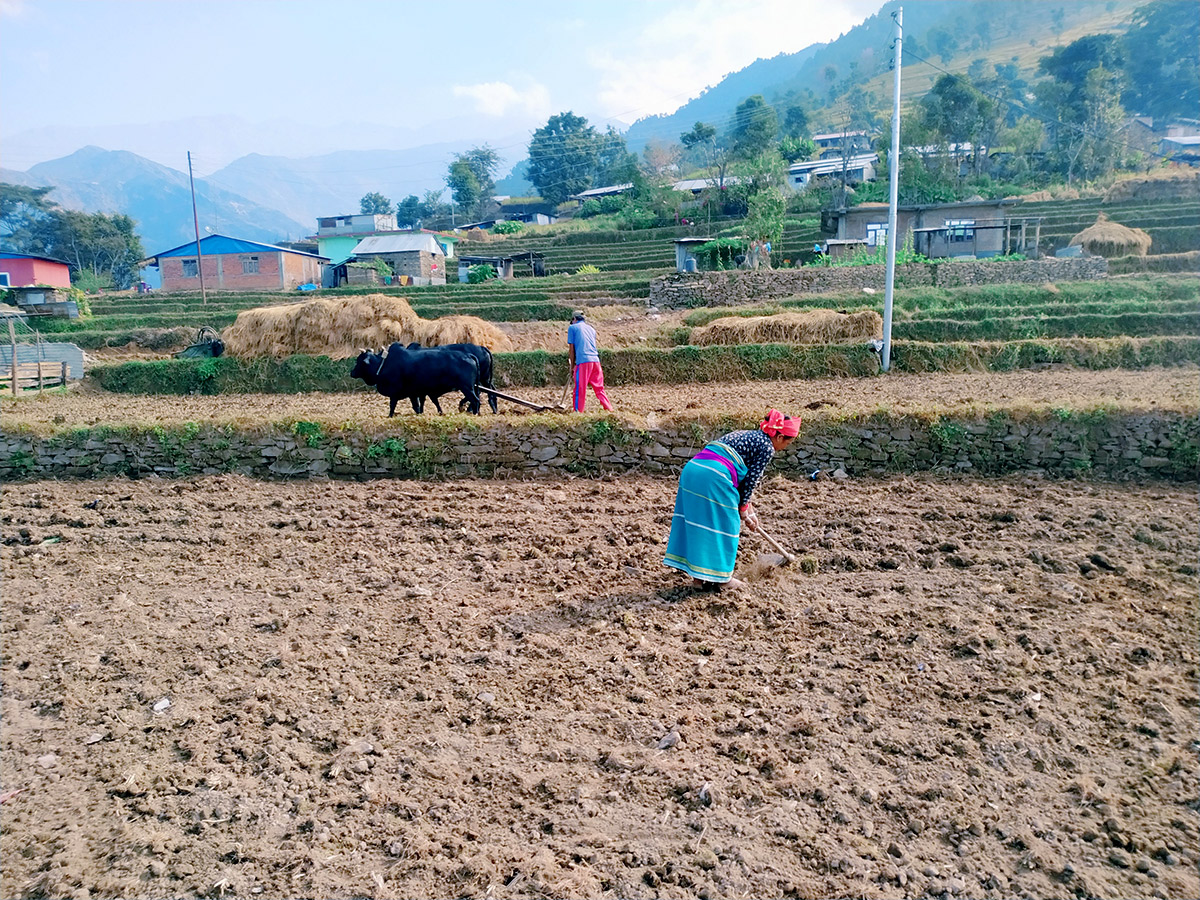
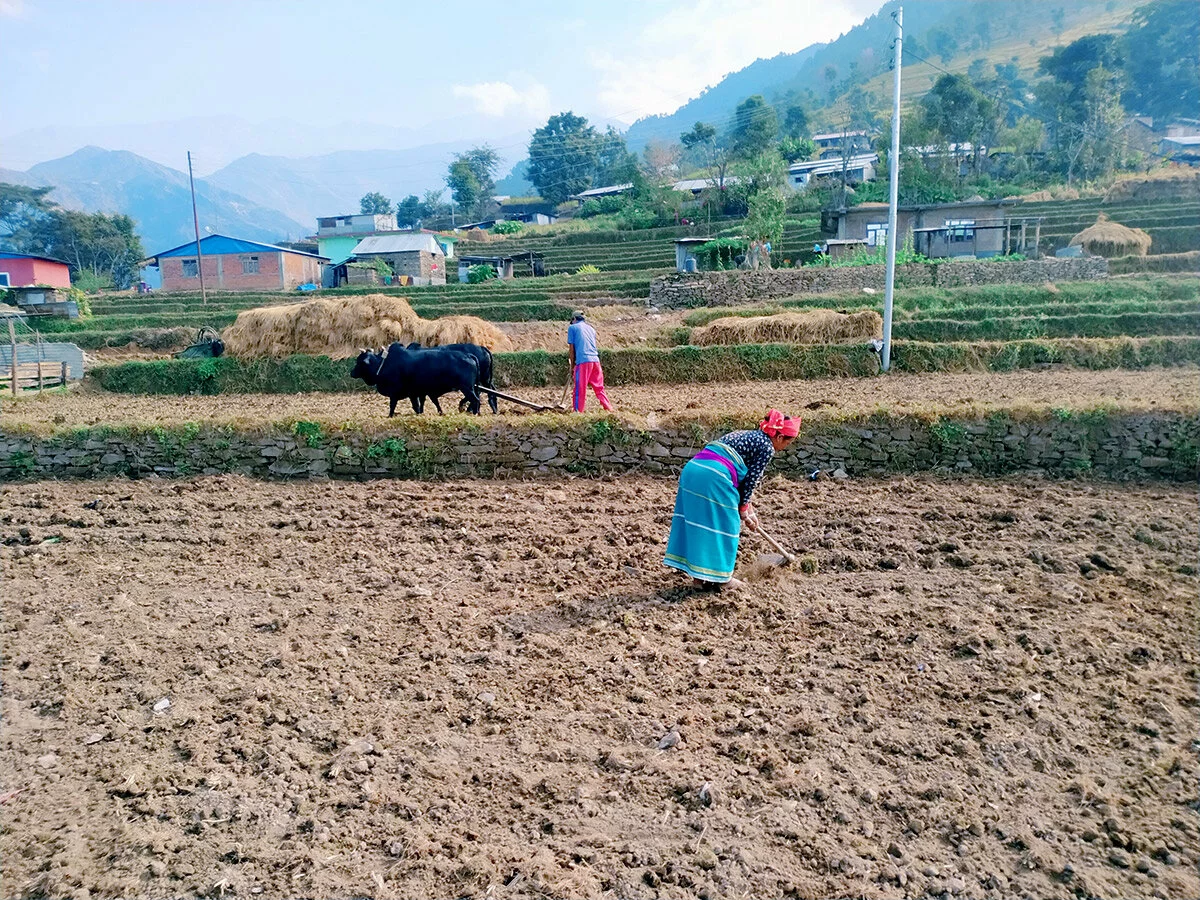
The project responds to the needs of communities in the Kavre and Sindhupalchok districts, addressing challenges in the production and marketing of quality seeds and filling the gap left by male out-migration, with particular attention to the role of women in business management and local leadership. It supports local and government institutions in developing agricultural strategies and fostering community participation in local policies.
The involvement of the University of Tuscia introduces new techniques for seed production, conservation and the creation of a seed bank. Marketing experts from the University Hub of Prato support beneficiaries in preparing business plans and conducting value chain analyses, promoting sustainable marketing systems. CEAPRED coordinates activities and engages local authorities, ensuring local ownership of the process. In the longer term, increased production and income will enable farmers to support their families and access basic services, contributing to the development of local welfare.
OBJECTIVES
General objective
To improve the living conditions of smallholder farmers by increasing agricultural production and the marketing of high-value vegetables and seeds in the central region of Nepal.
Specific objectives
To strengthen the capacities of women and young people in the Kavrepalanchok and Sindhupalchok districts through the introduction of improved technologies for increasing the production of quality seeds and spices.
To strengthen the collection, sorting, packaging and marketing of seeds, vegetables and spices through community social enterprises (with at least 60% women) while improving the governance processes of local authorities in the two selected districts.
ACTIVITIES
- Participatory identification and selection of potential seed species and areas for the production of seeds from local varieties
- Capacity building for farmers in the commercial production of seeds and spices
- Dissemination of Good Agricultural Practices (GAP) for the use of plant protection products in agriculture (both synthetic and natural)
- Creation of a seed bank
- Establishment of 2 social enterprises for the marketing of agricultural products
- Capacity building for community social enterprises
- Participatory planning and meetings with Rural Municipalities and Agriculture Knowledge Centres
- Mobilisation and capacity strengthening of Community Resource Persons
- Implementation of weekly markets for the sale of seeds and vegetables
- Value chain analysis of the spice and seed supply chain for at least 7 seed varieties and 3 spice varieties
- Development of a business plan for the sale of processed seeds and spices
- Dissemination of agricultural bulletins via FM radio and SMS
BENEFICIARIES
Direct: 3,500 farmers, of whom 2,450 are aged 20–39 and 1,050 aged 40–54. 60% of beneficiaries are women (2,100 female beneficiaries).
Indirect: approximately 171,564 people living in the 5 rural municipalities involved.